| |
 |
In the Bible:
Matthew 4:13-16, Jesus moved to Capernaum;
Matthew 4:18; Mark 1:16, Jesus called Peter, Andrew, James, John to be disciples near here;
Matthew 9:9; Mark 2:14, Jesus called Matthew from the office of the tax house;
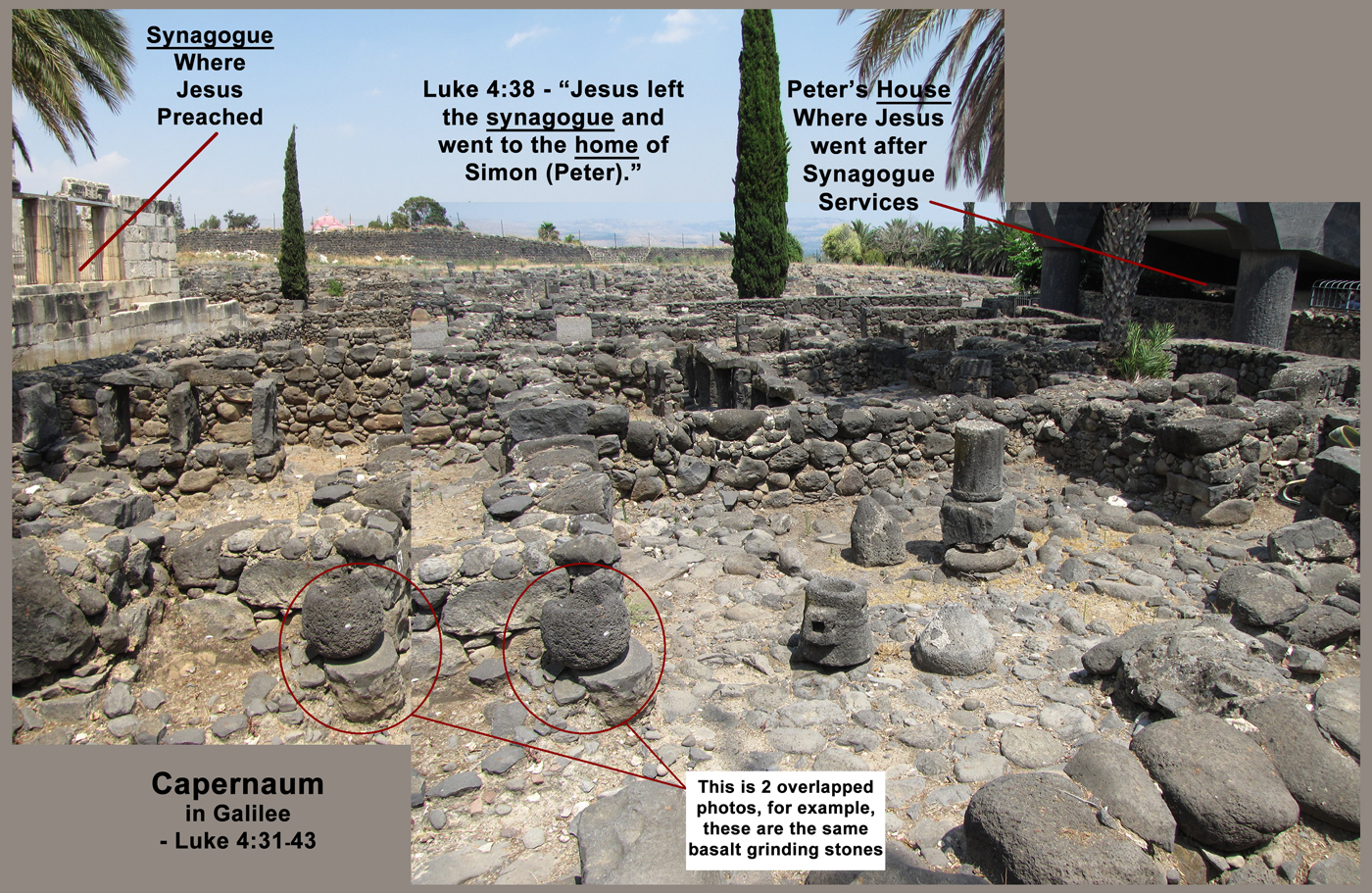
Mark 1:21; Luke 4:31, Jesus taught in this synagogue; Jesus ate at Peter’s house in Capernaum; healed Peter’s mother-in-law;
Matthew 8:5-13; Luke 7:1-10, Jesus healed centurion’s servant;
Matthew 9:1; Mark 2:1; Luke 5:17, a roof was removed and a paralyzed man was lowered to Jesus;
Matthew 9:18; Mark 5; Luke 8:40, Jairus’ daughter was raised and a woman healed of bleeding;
John 4:46, Jesus healed nobleman’s son;
Matthew 9:27; 12:22; Mark 3:20; Luke 11:14, Jesus healed two blind men and one mute demoniac. |
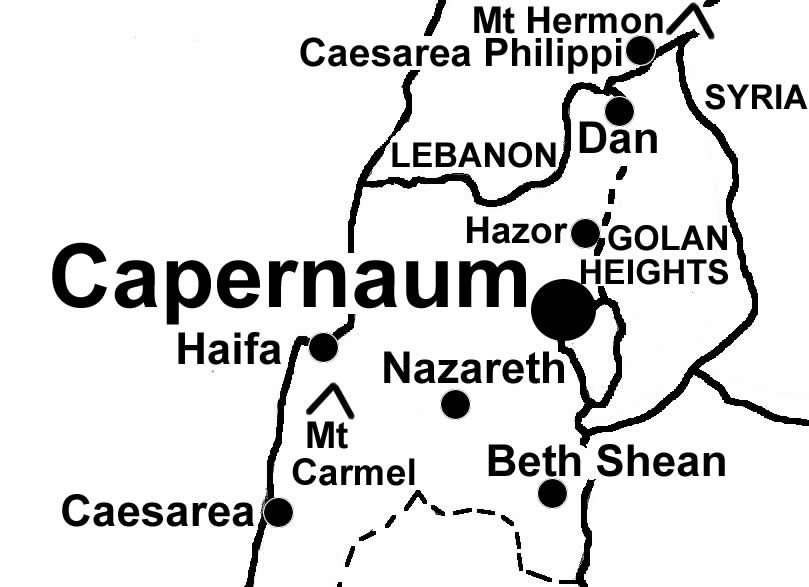 |
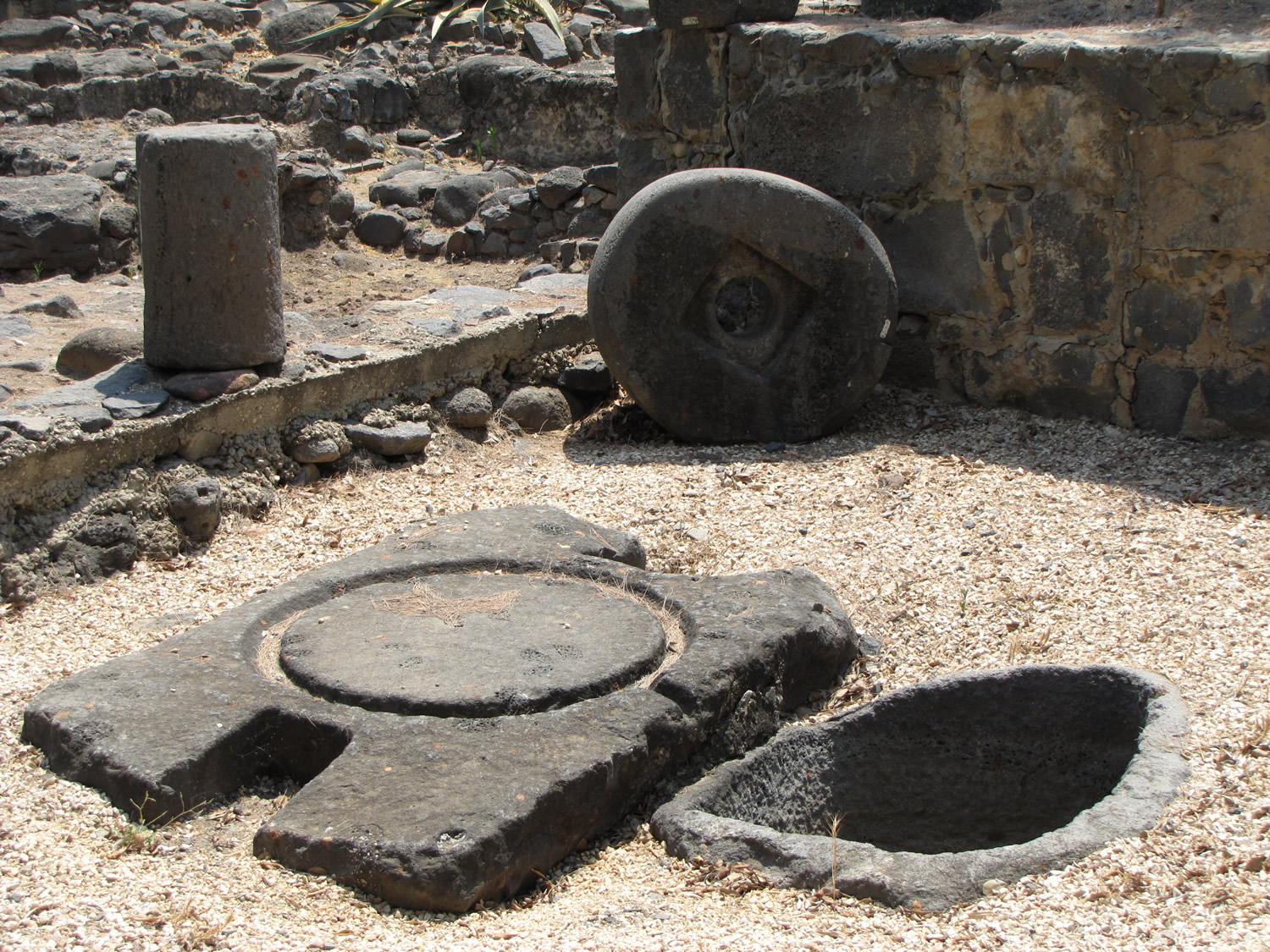
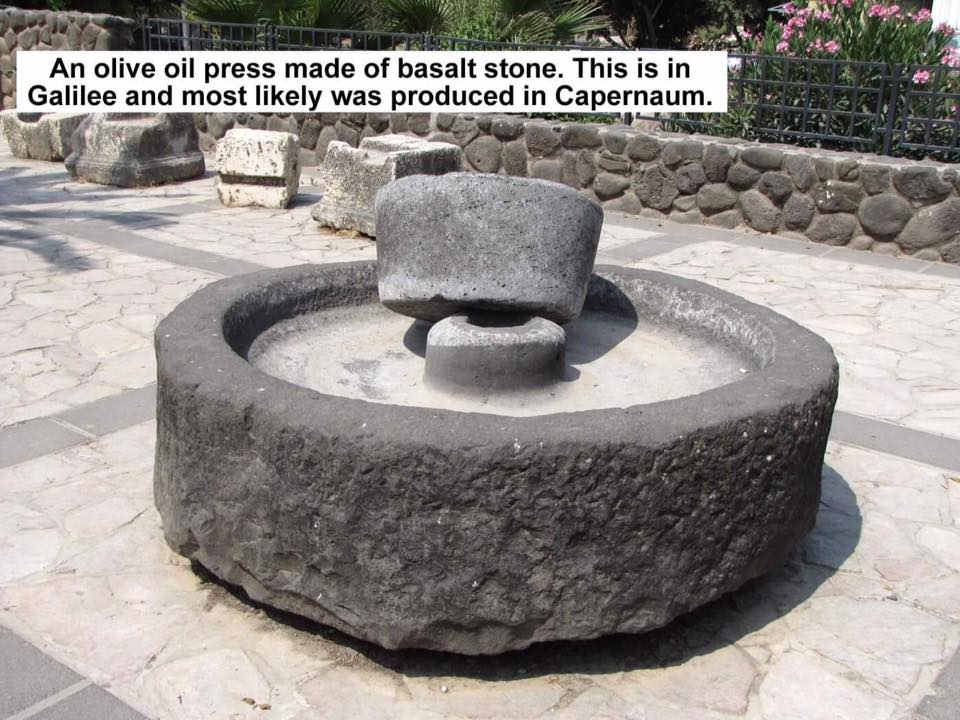
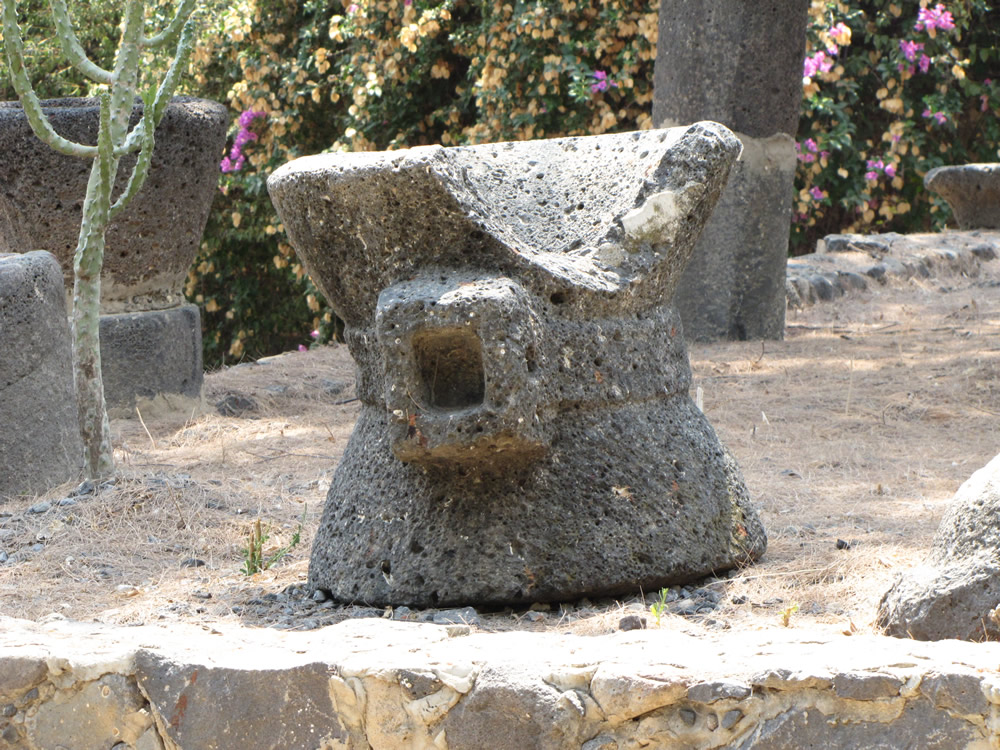
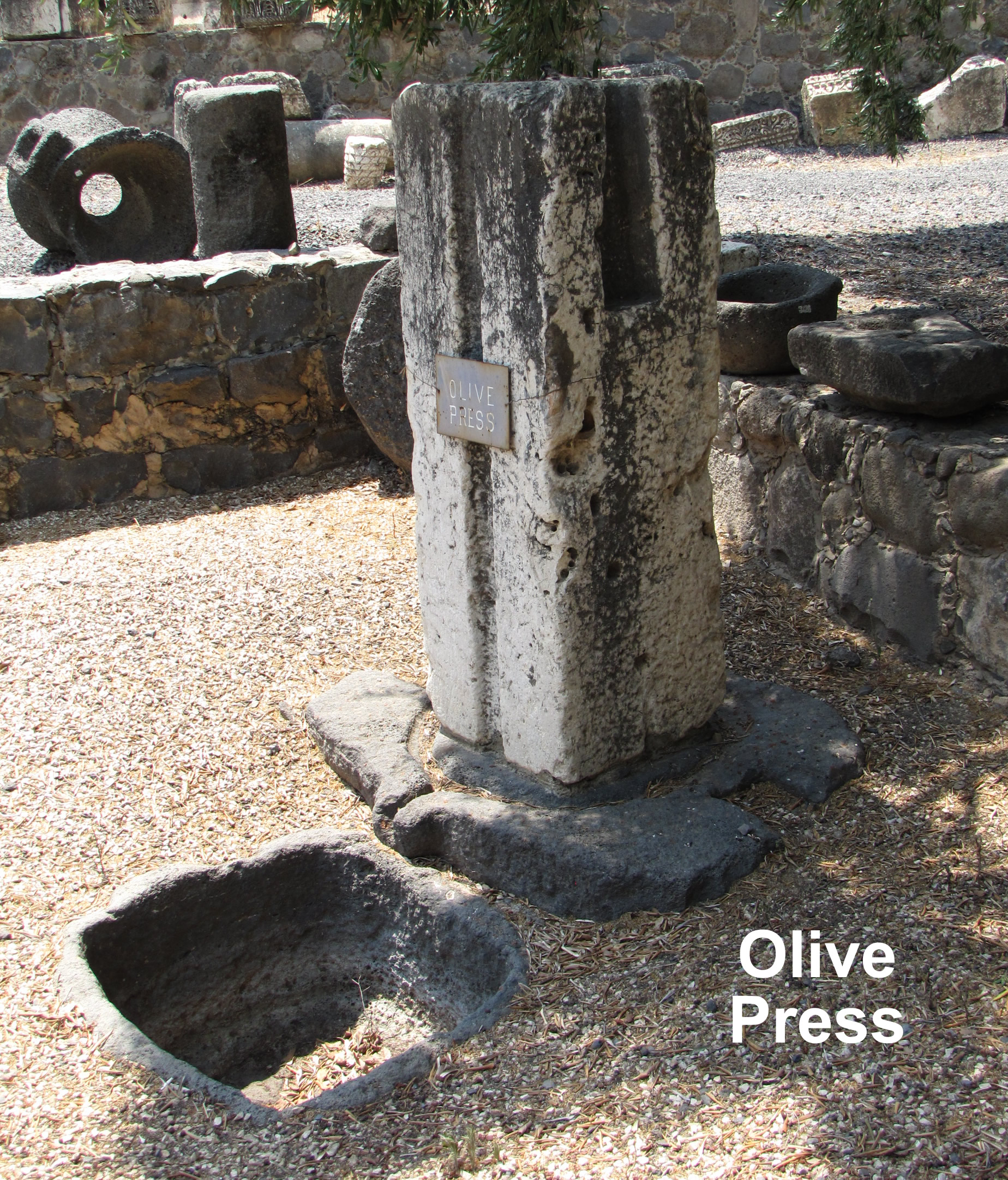
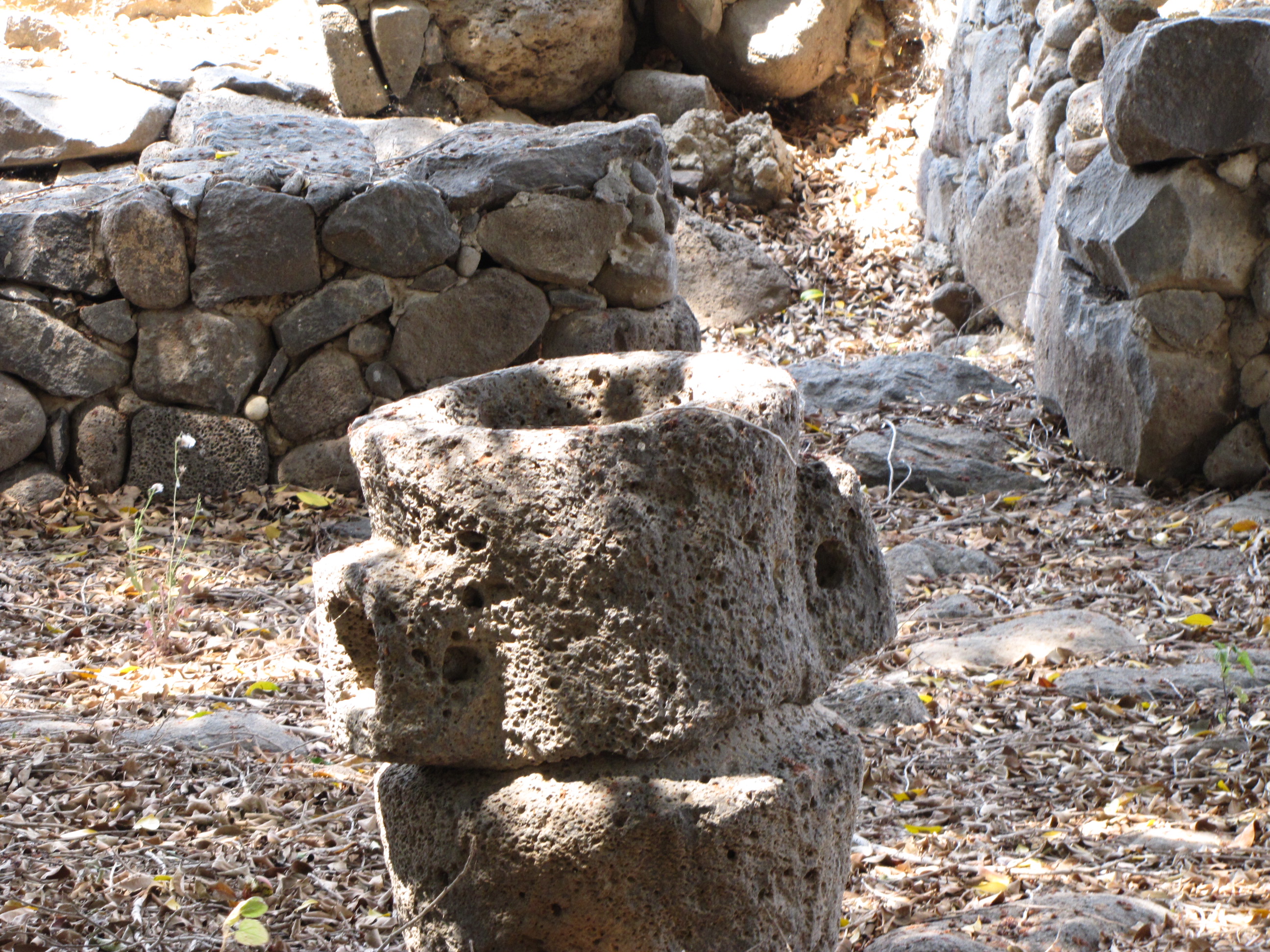
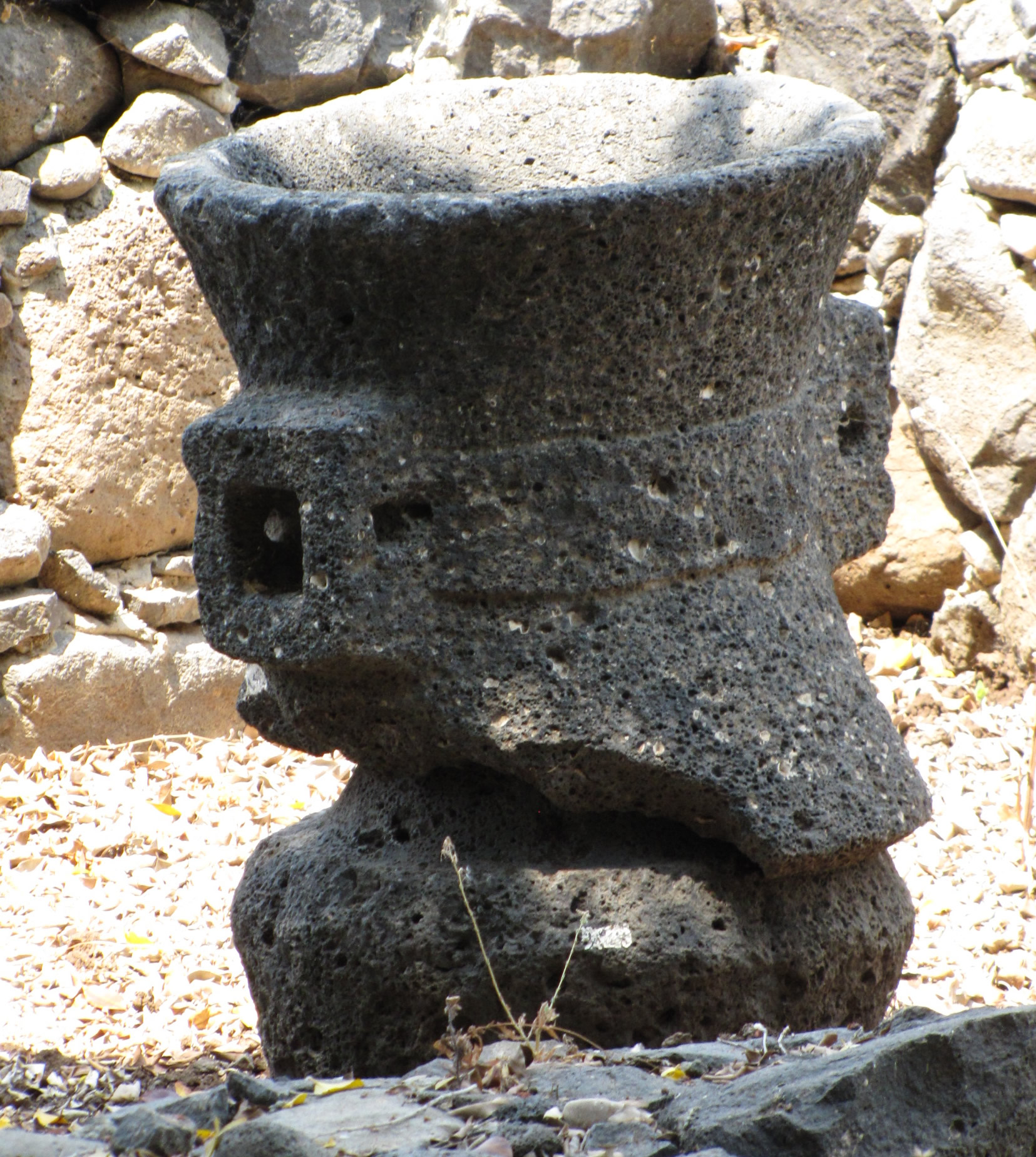
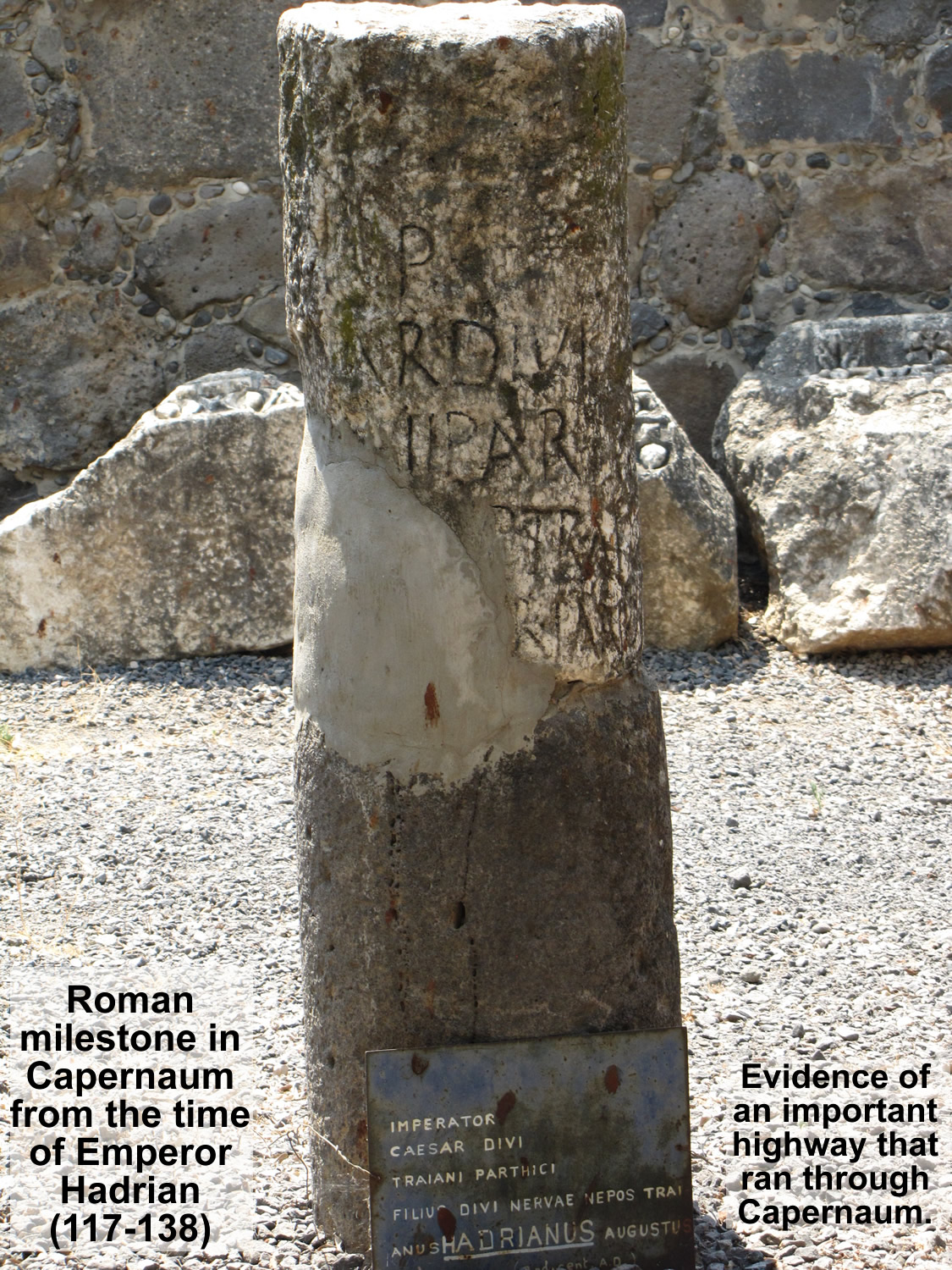
Capernaum sat on the International Highway running from Egypt to Babylon. Capernaum controlled trade along this route and would have added tax and tolls to travelers, traders and merchandise coming and going. This combined with the fishing industry and the industrial park’s manufacturing of equipment such as grinding stones and olive presses from basalt stone made Capernaum rich.
The Bible mentions Capernaum 16 times presenting it as an important, large and wealthy city that was the base for:
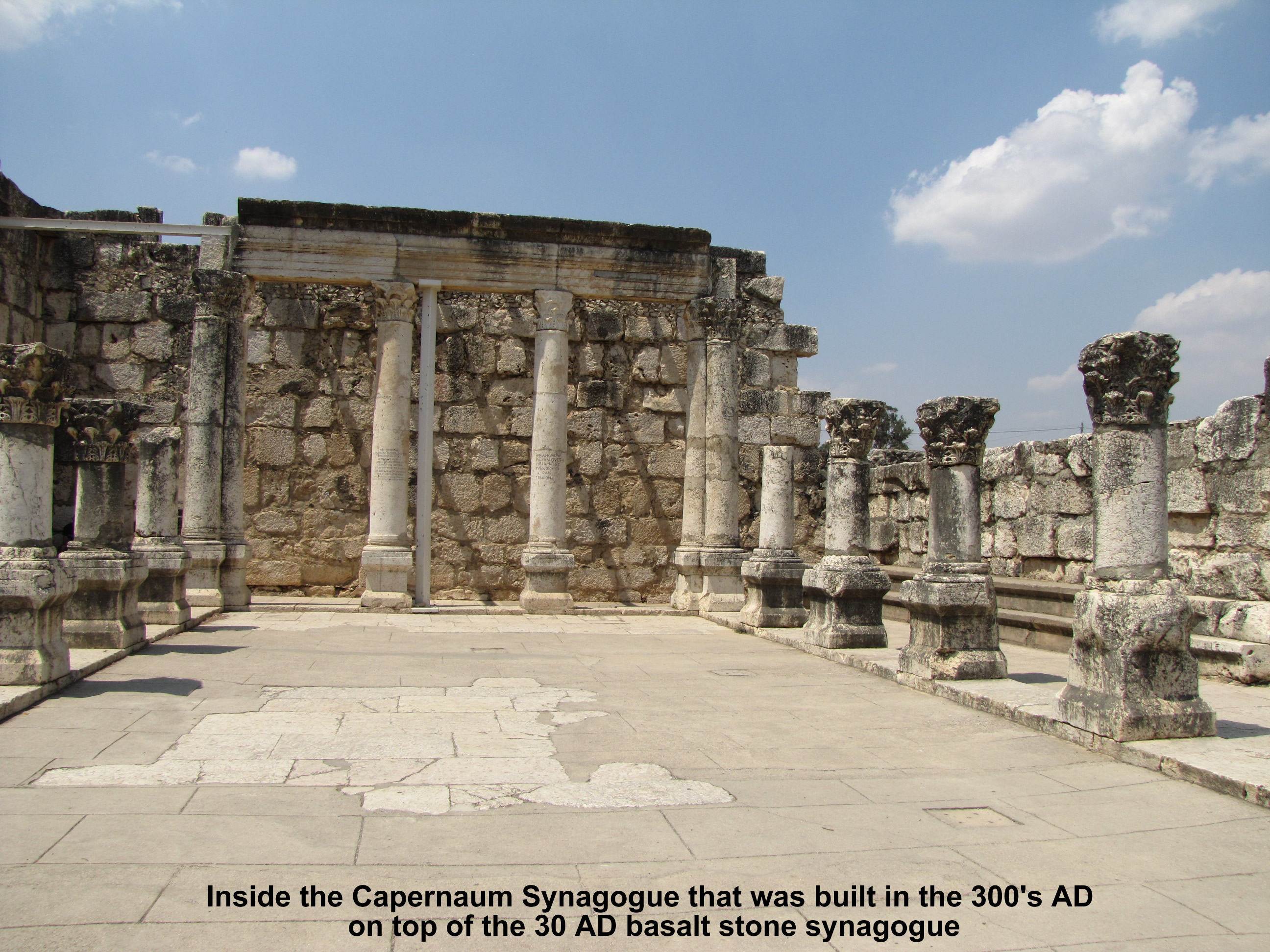
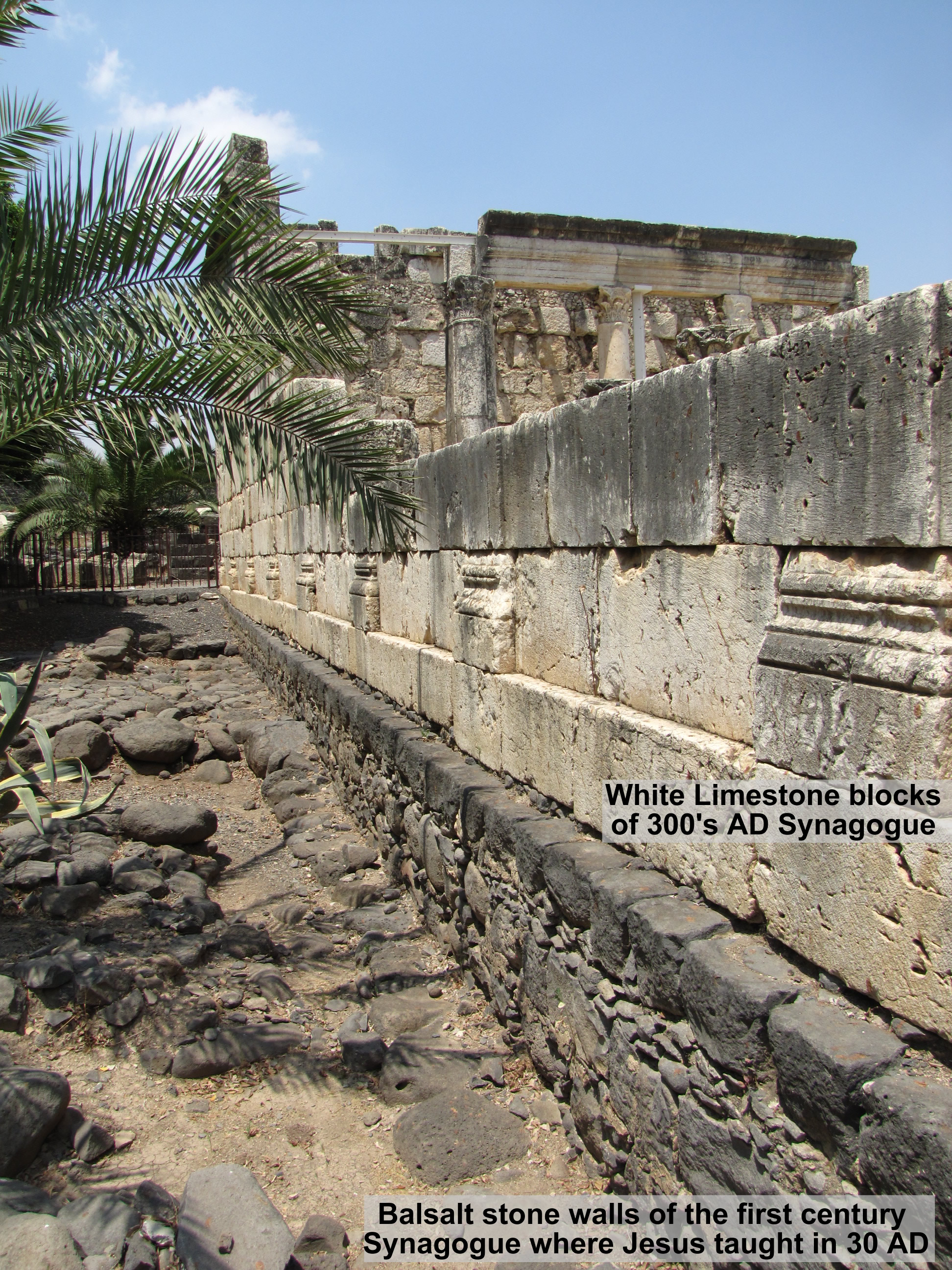
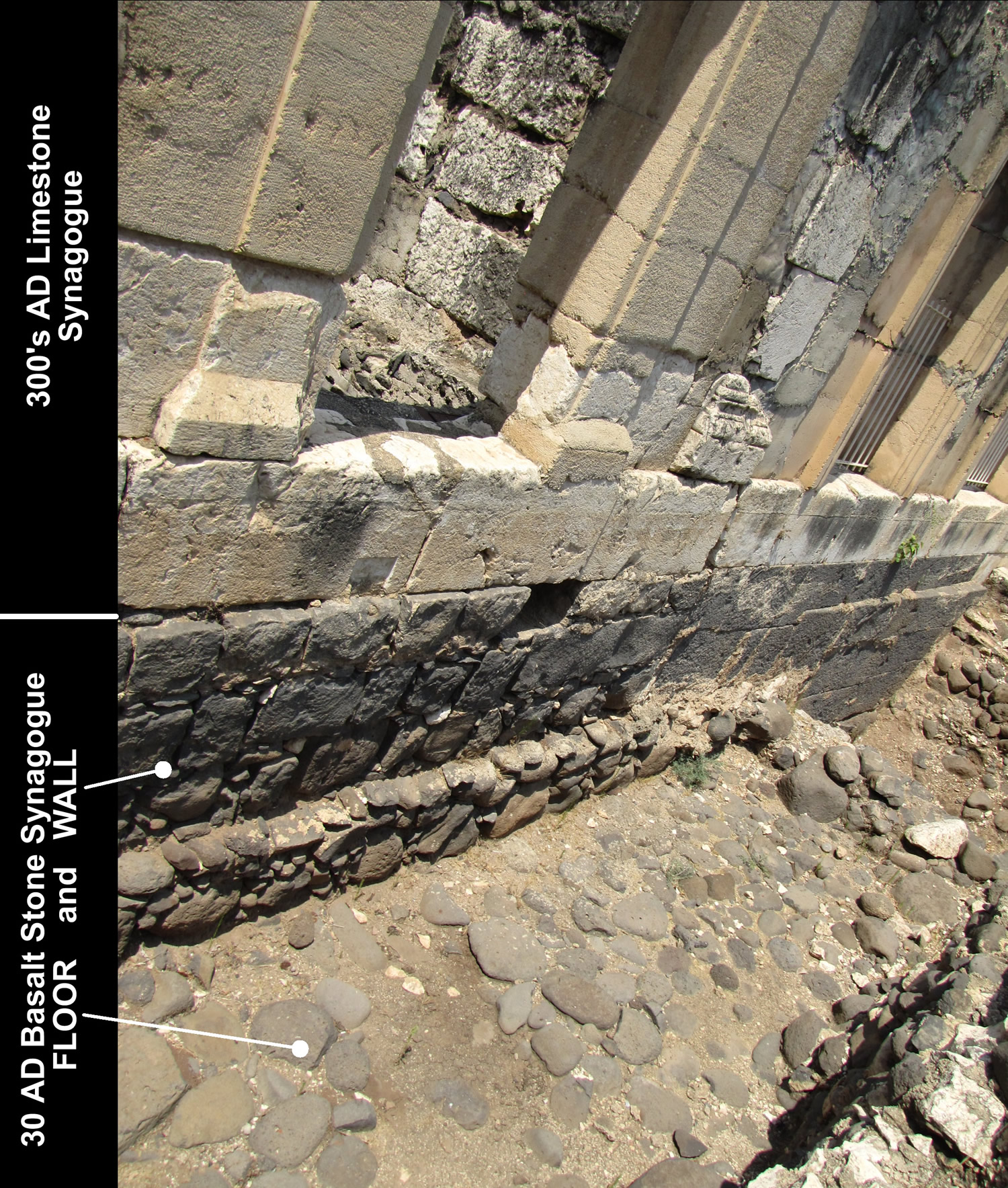
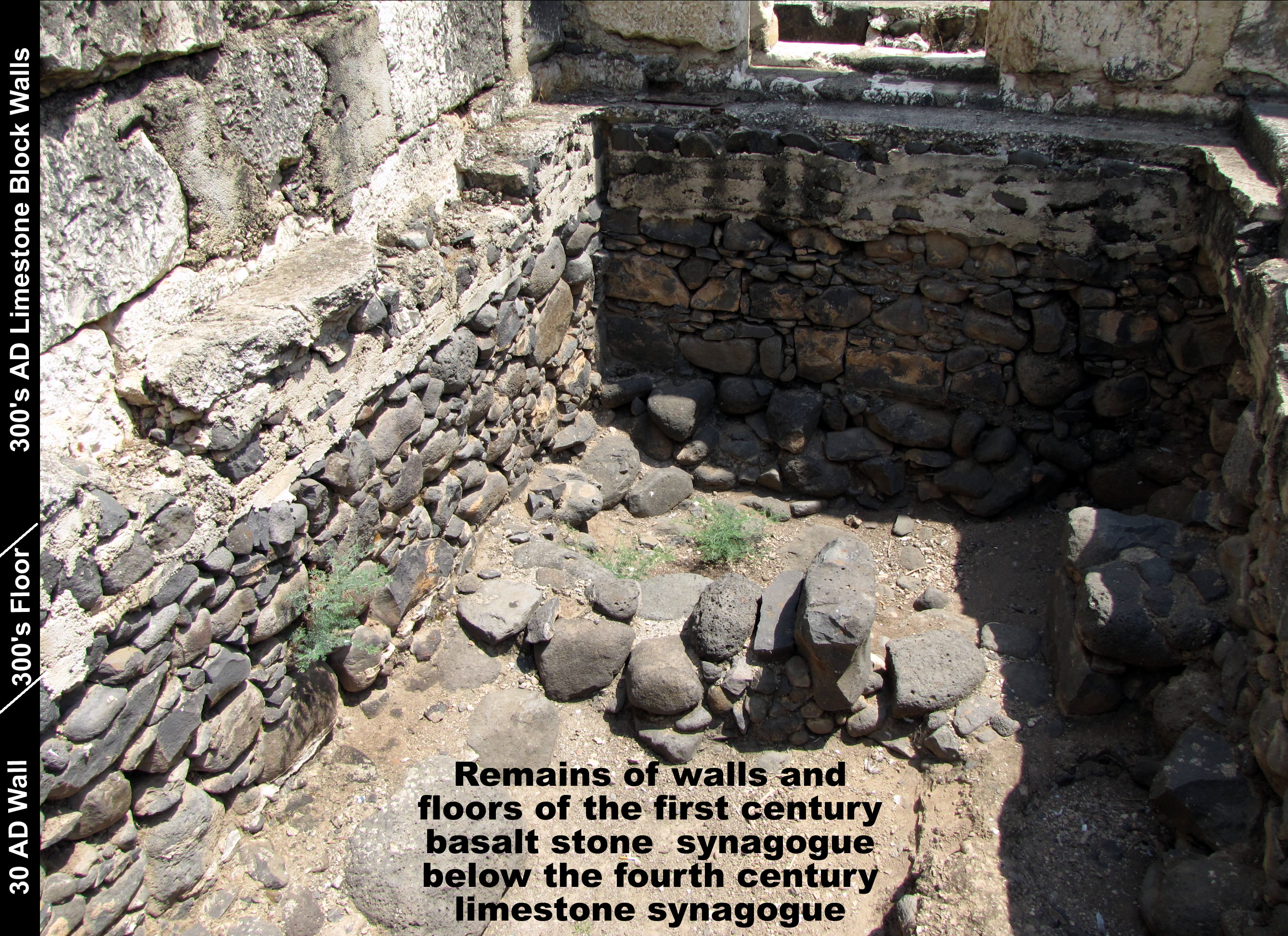
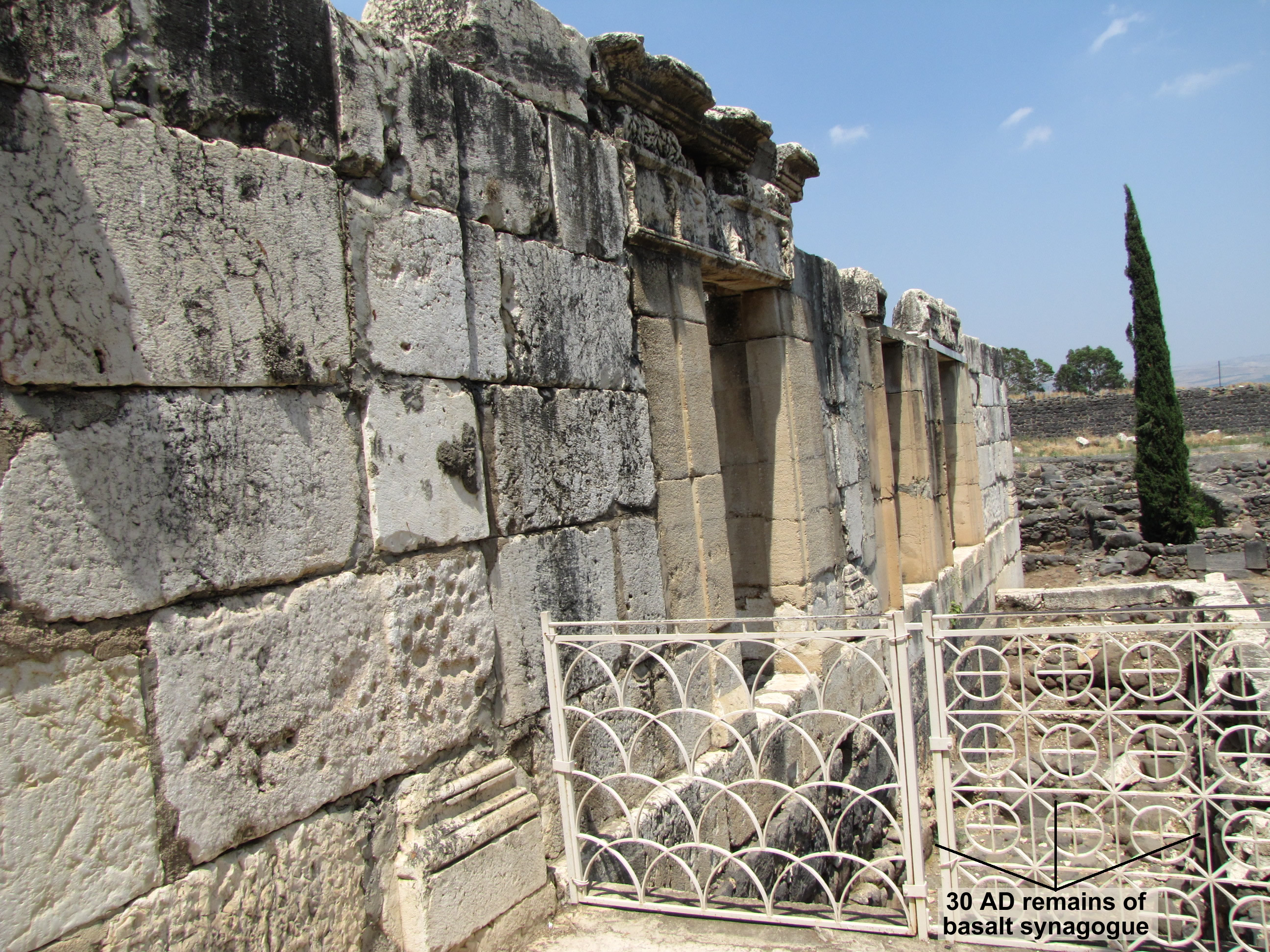
1) Roman troops and their centurion who helped pay for the synagogue that Jesus taught in and whose NT foundation can still be seen today. (Mt.8:5-9)
2) Customs station where Matthew worked to collect taxes on goods coming from Damascus/Mesopotamia heading to Egypt and vice versa. (Matt.9:9)
3) High officer of the king (John 4:46)
4) Peter’s home and family (Mark 1:21; Luke 4:31)
5) Jesus ministry headquarters (Matthew 4:13-16)
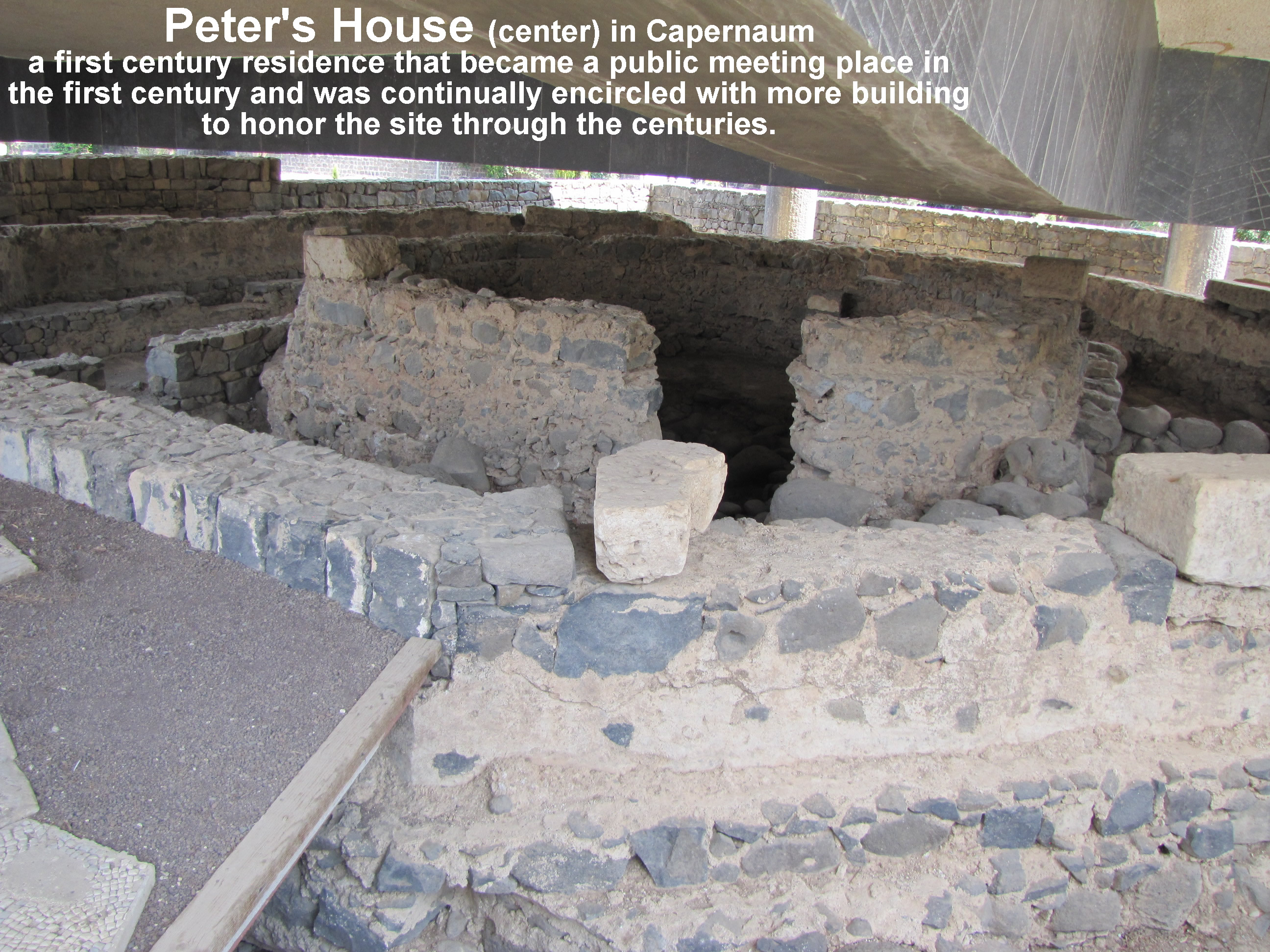
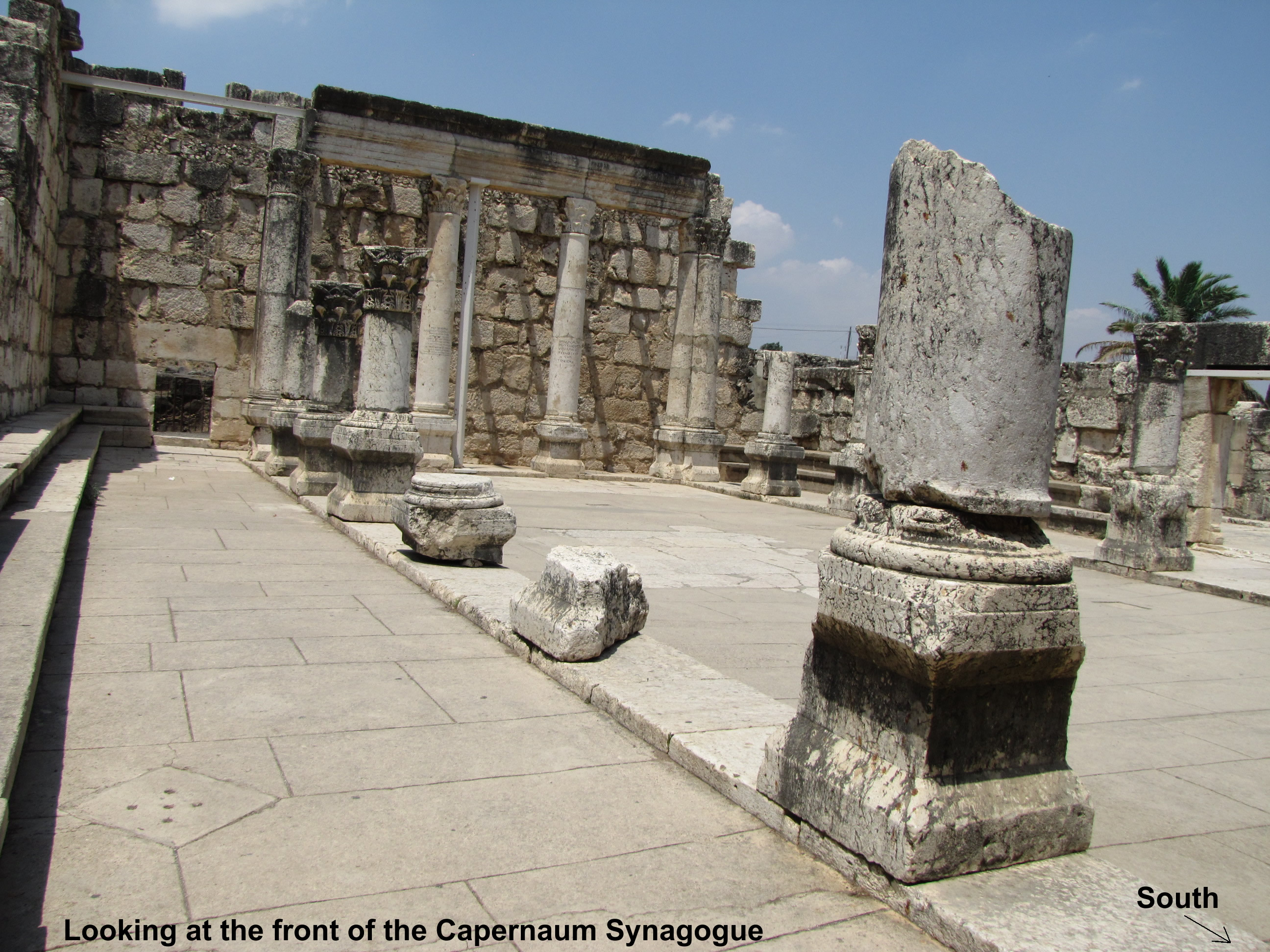
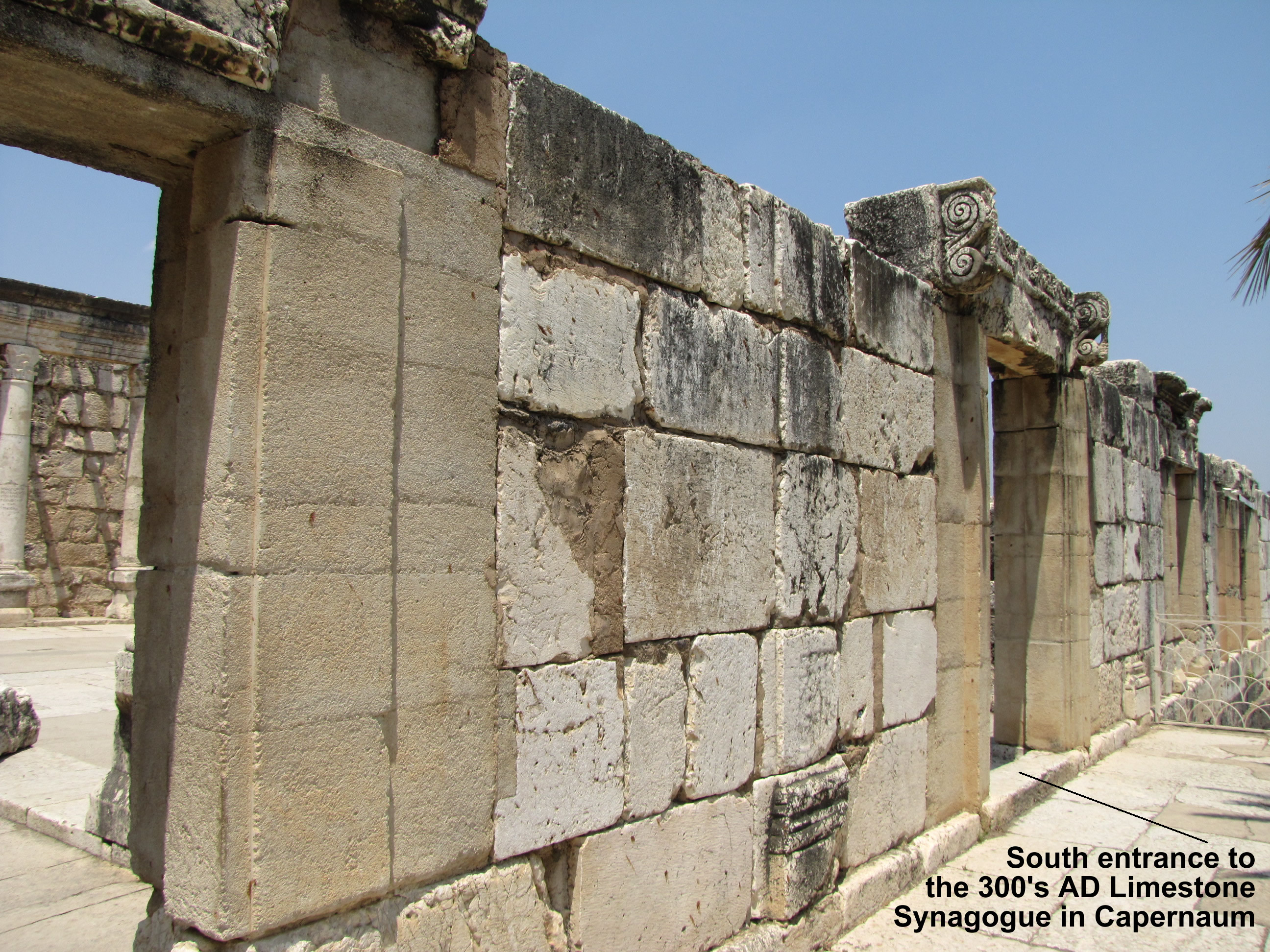
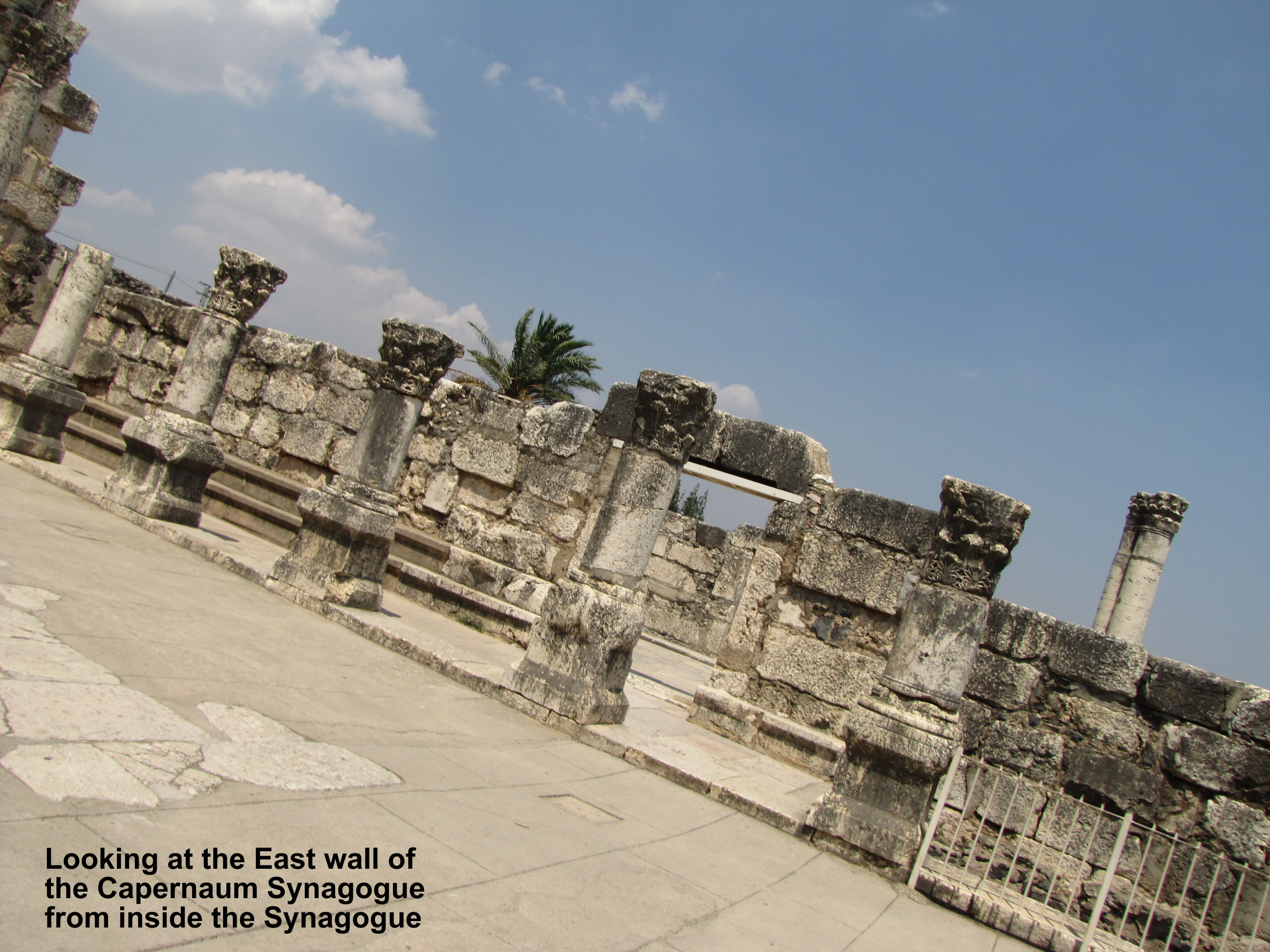
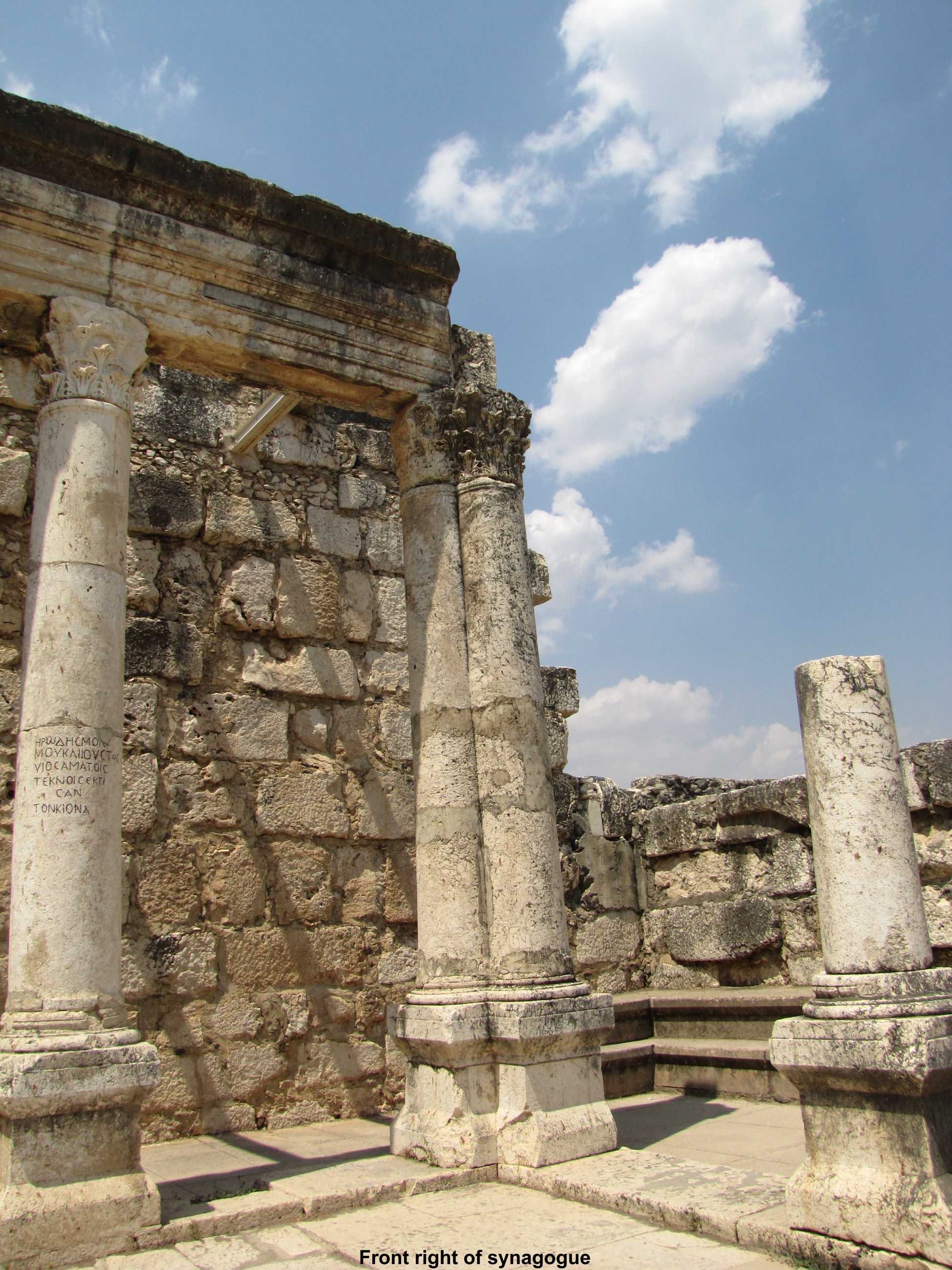
Christians helped build the synagogue seen today on the NT foundation in 300-400 AD for their Jewish neighbors while they worshiped at a church built over Peter’s house. But, both were destroyed in the 600’s by Arabs. |
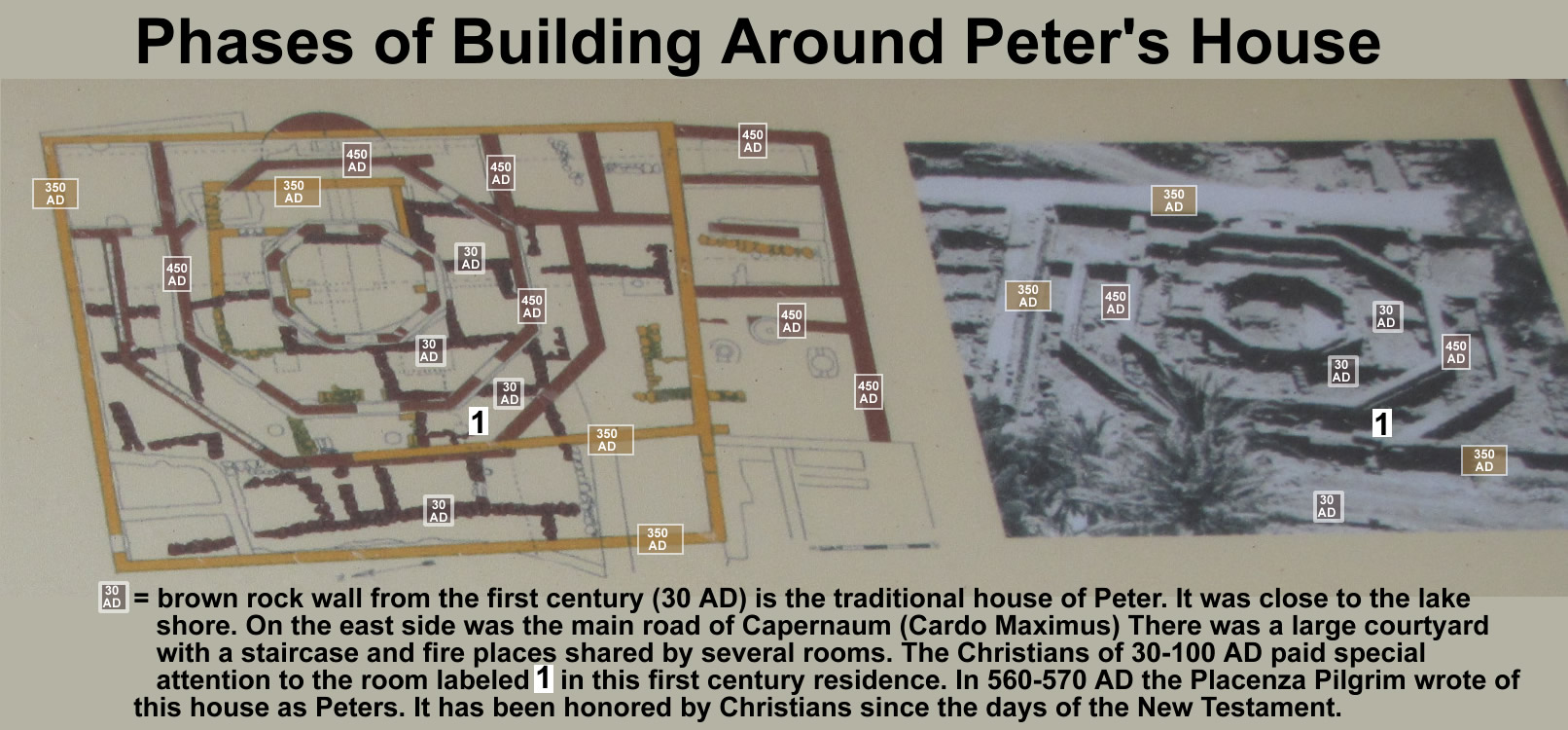
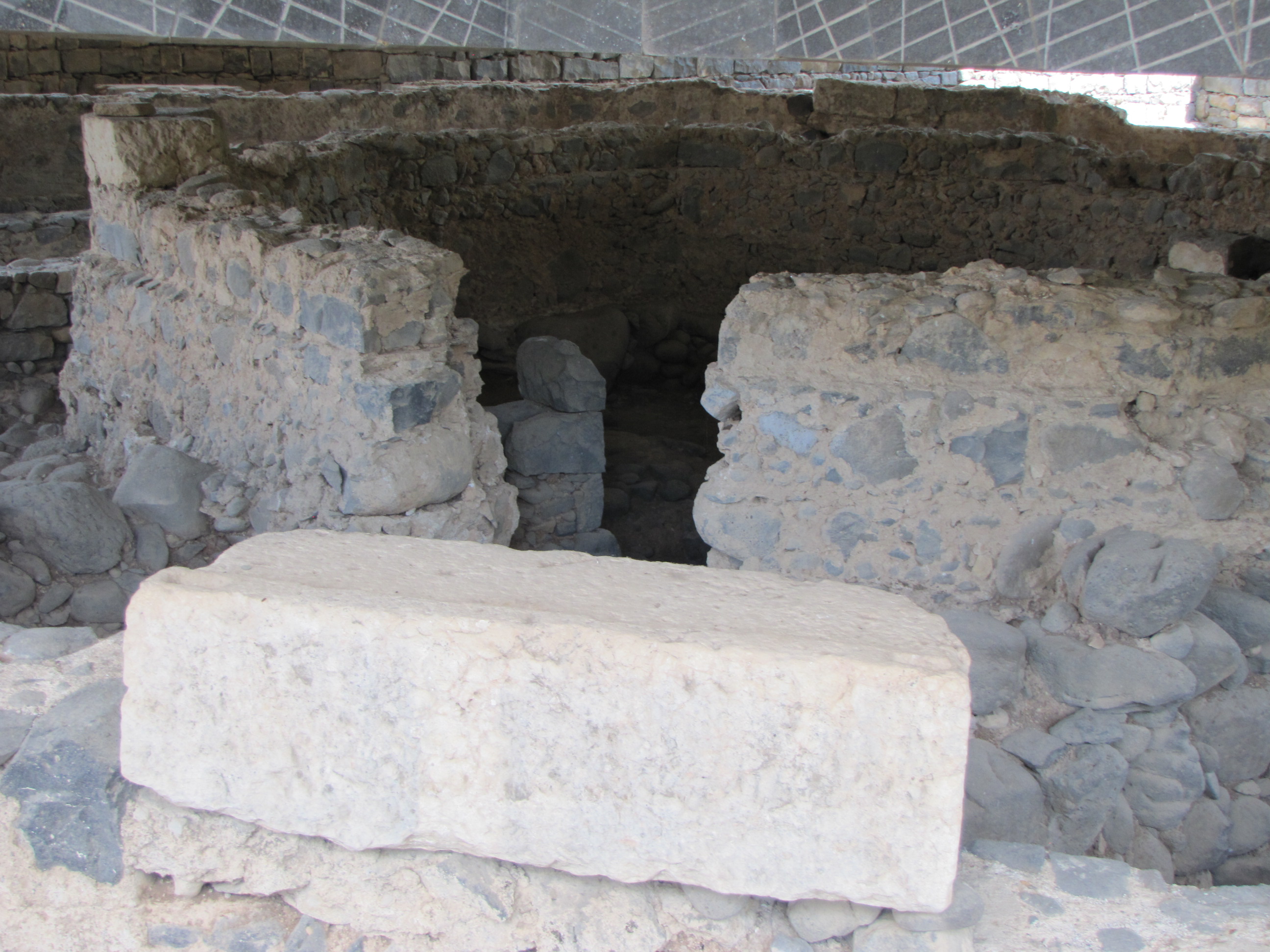
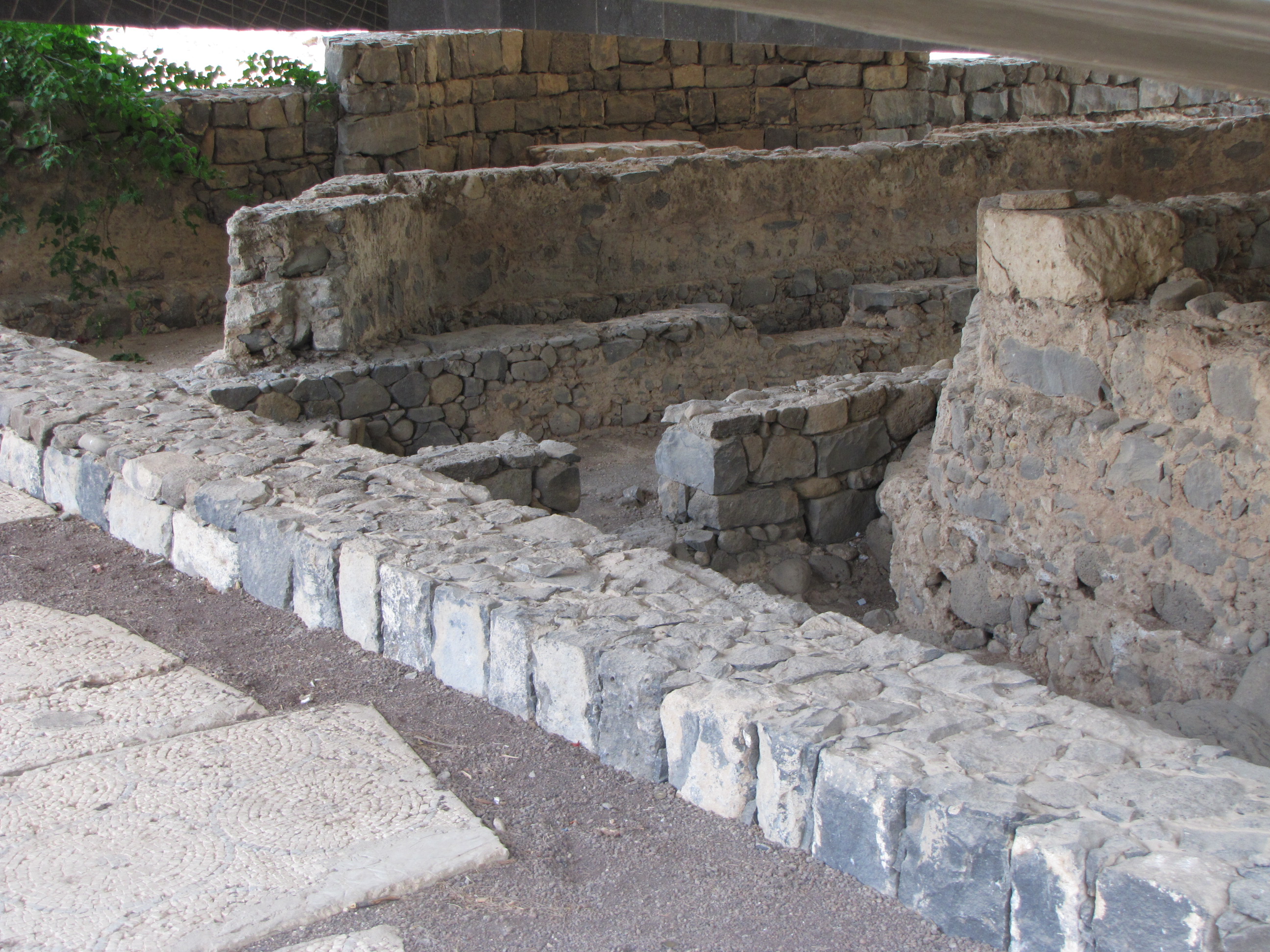
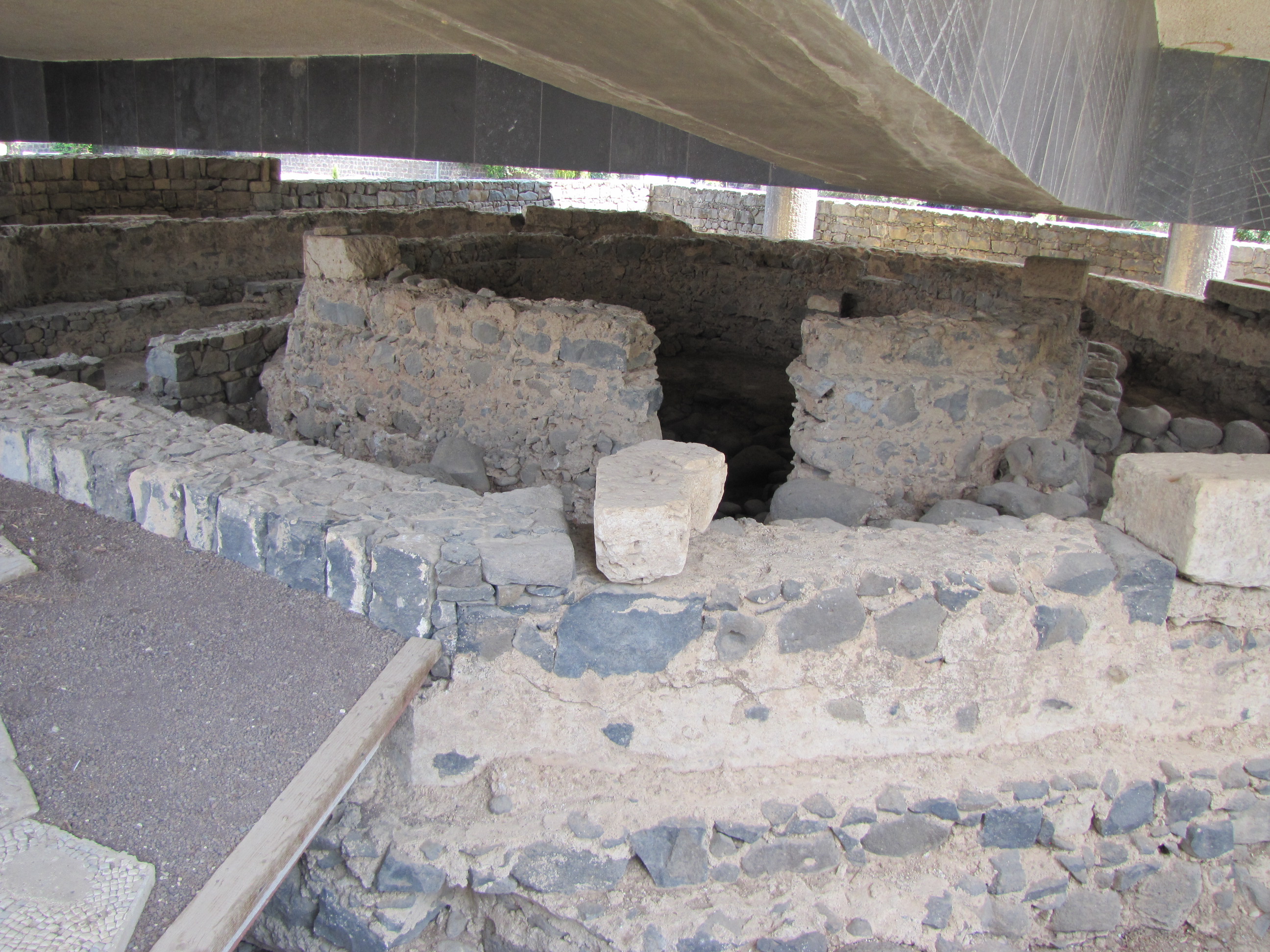
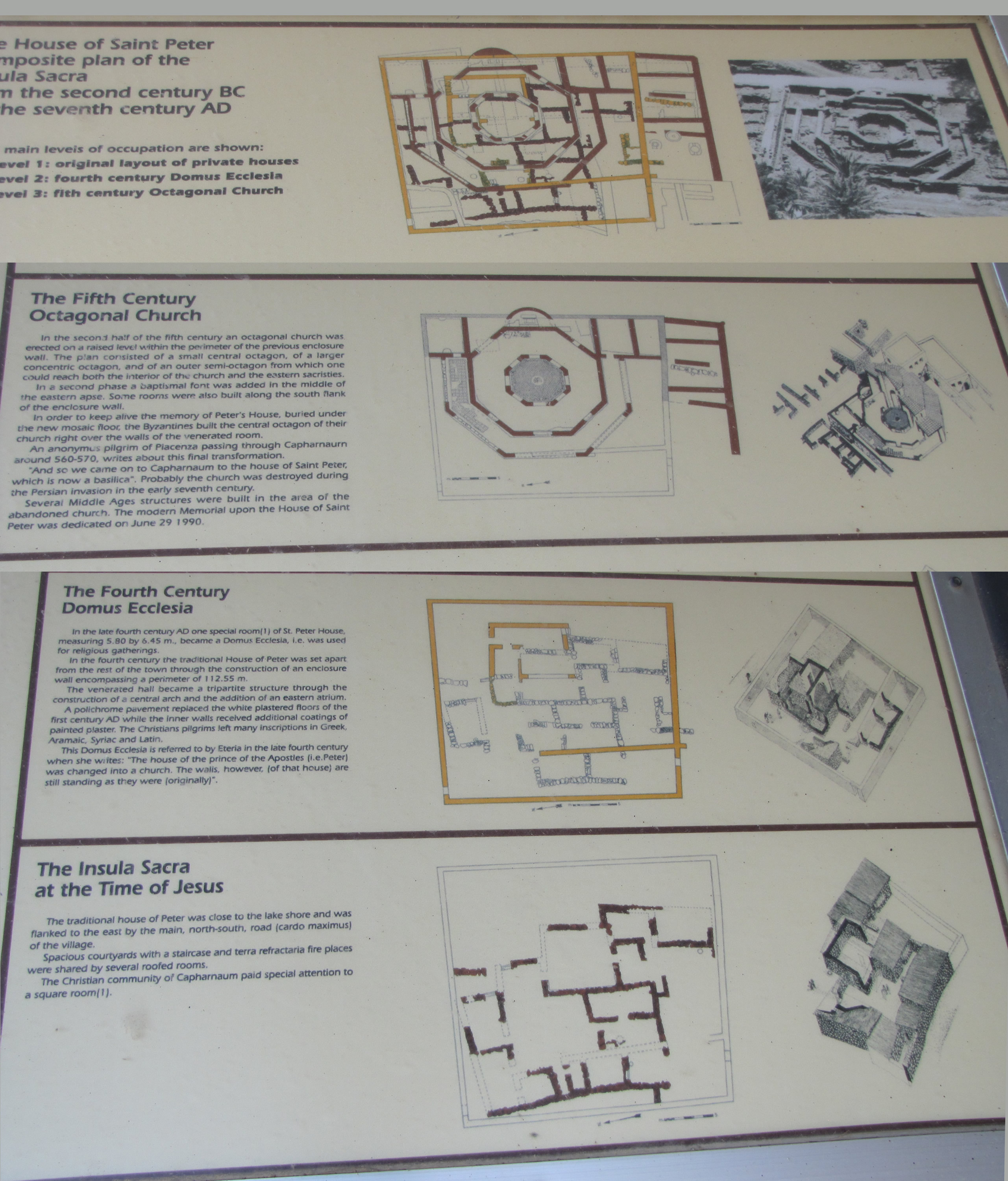
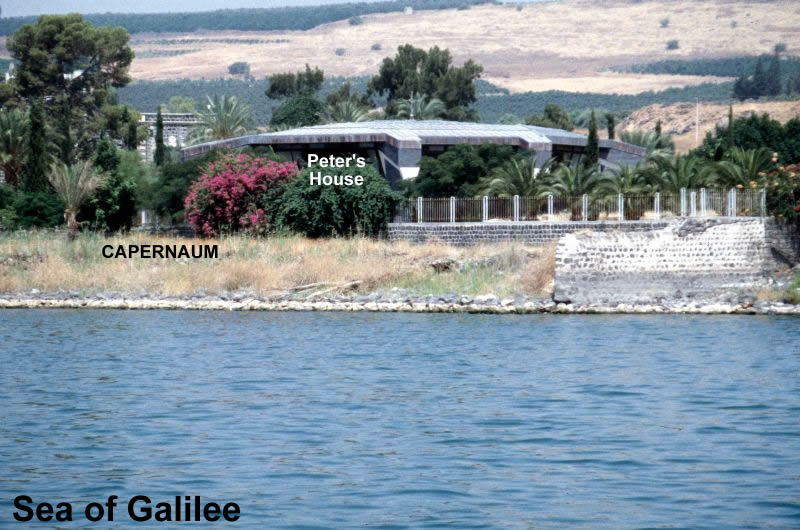
| Peter's House |
(back to top) |
 |
| |
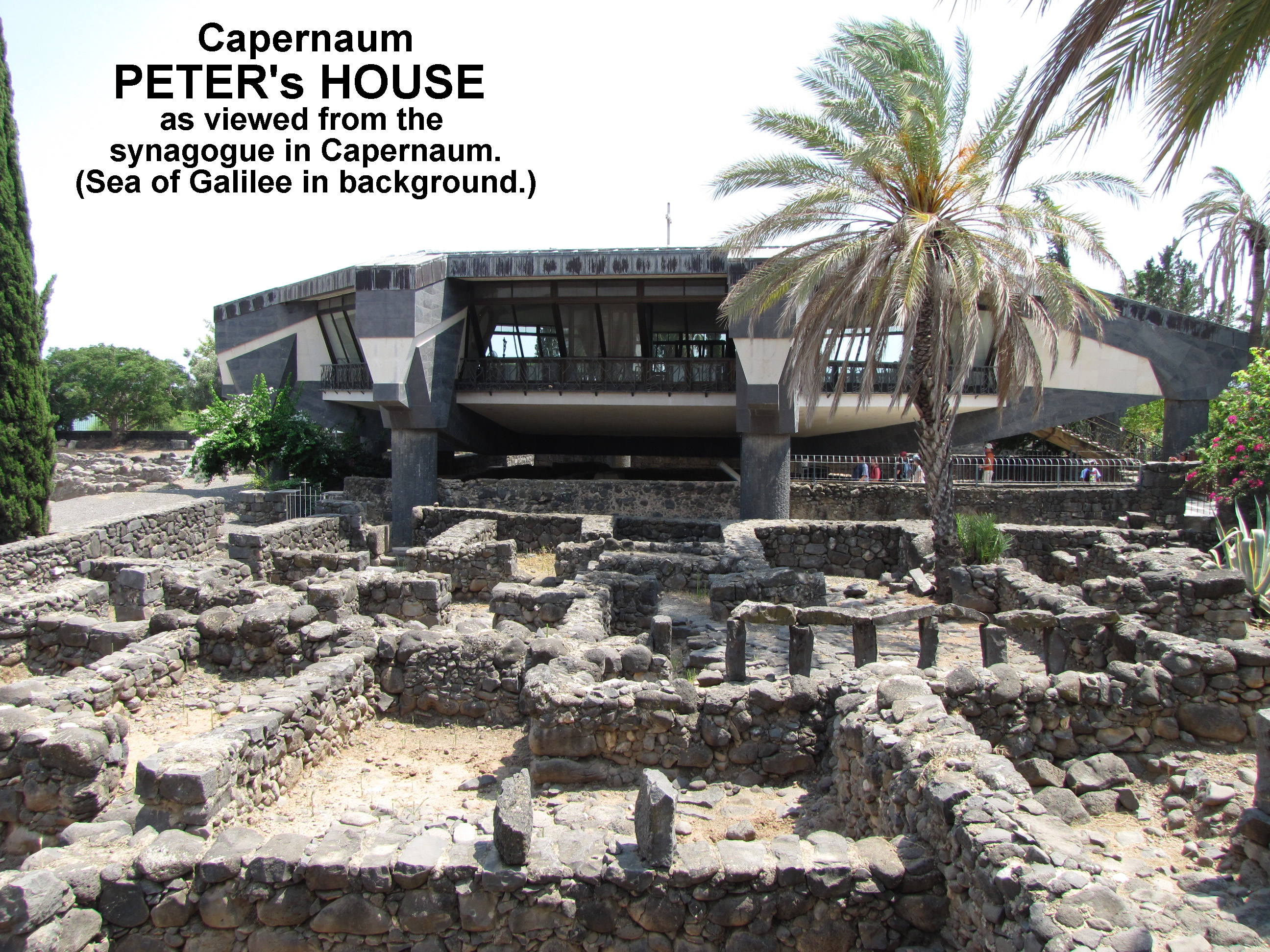 |
| Phases of building around Peter's house in Capernaum (Click HERE) |
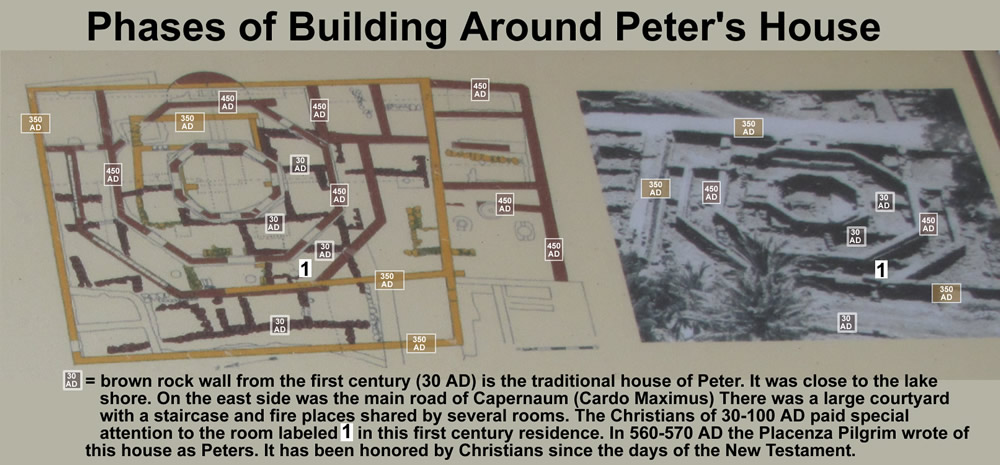
Click here for a LARGER image of the Phases of Building Around Peter's House |
| |
 |
| |
 |
| |
 |
| |
 |
| |
 |
| |
 |
| |
 |
| |
|
| Synagogue |
(back to top) |
 |
| |
 |
| |
 |
| |
 |
| |
 |
| |
 |
| |
 |
| |
 |
| |
 |
| |
 |
| |
 |
| |
 |
| |
 |
| |
|
| Synagogue Ornamentation |
(back to top) |
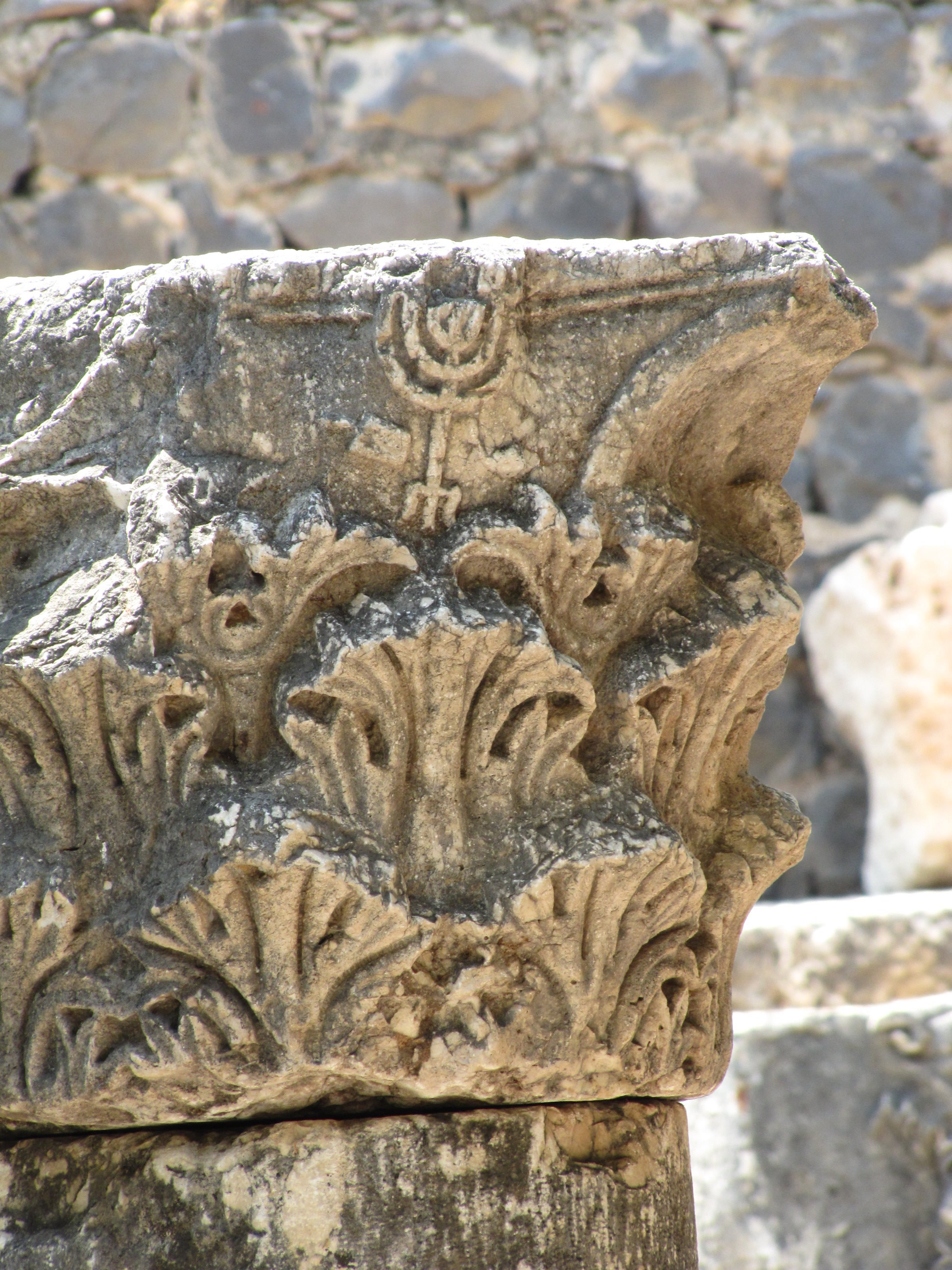 |
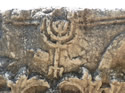
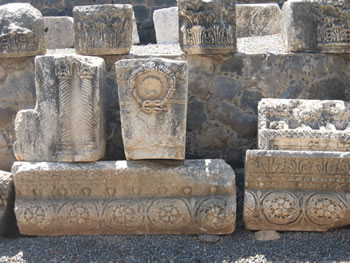
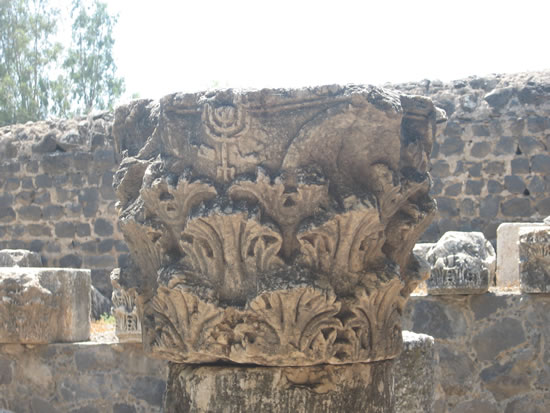
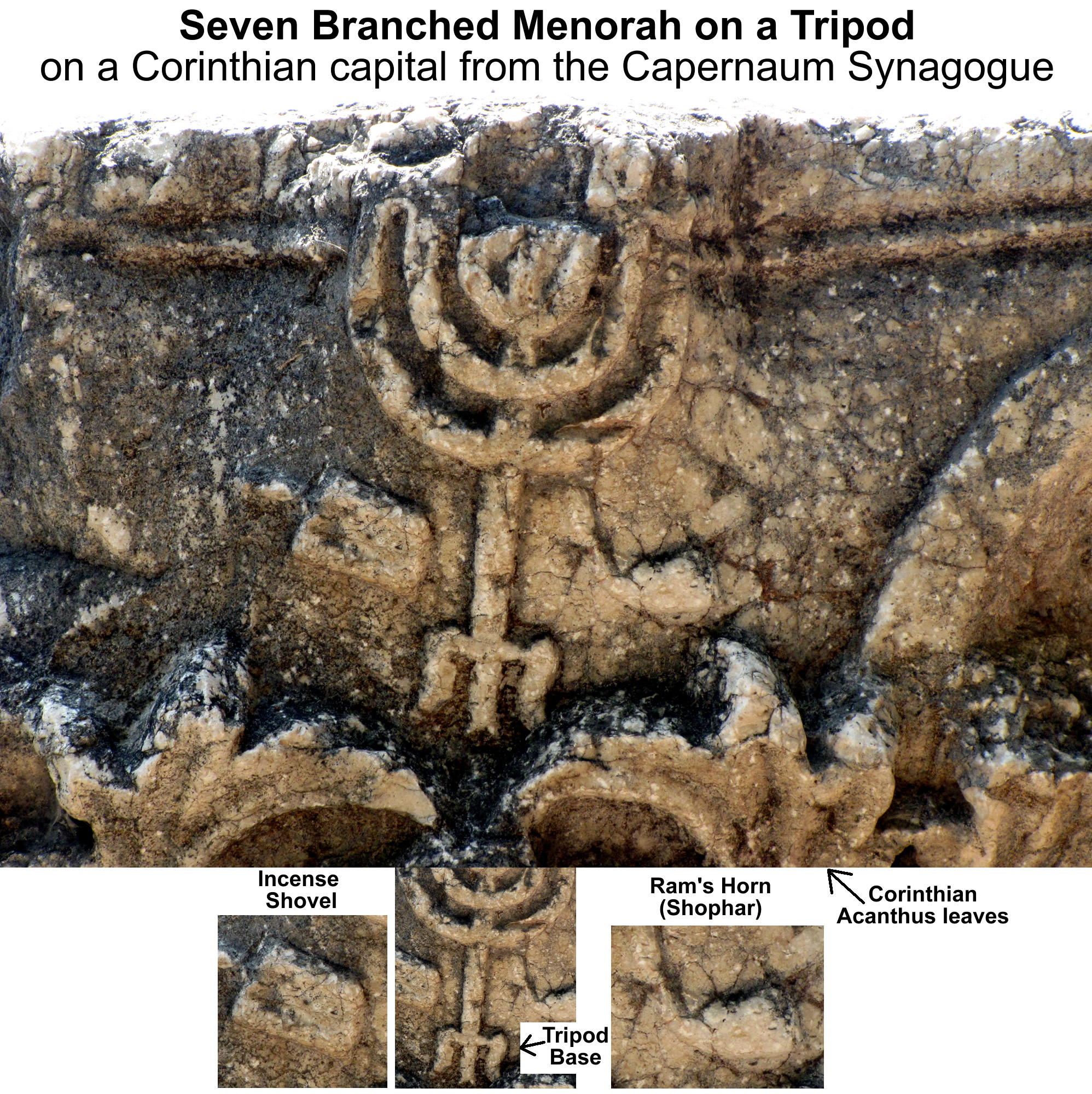
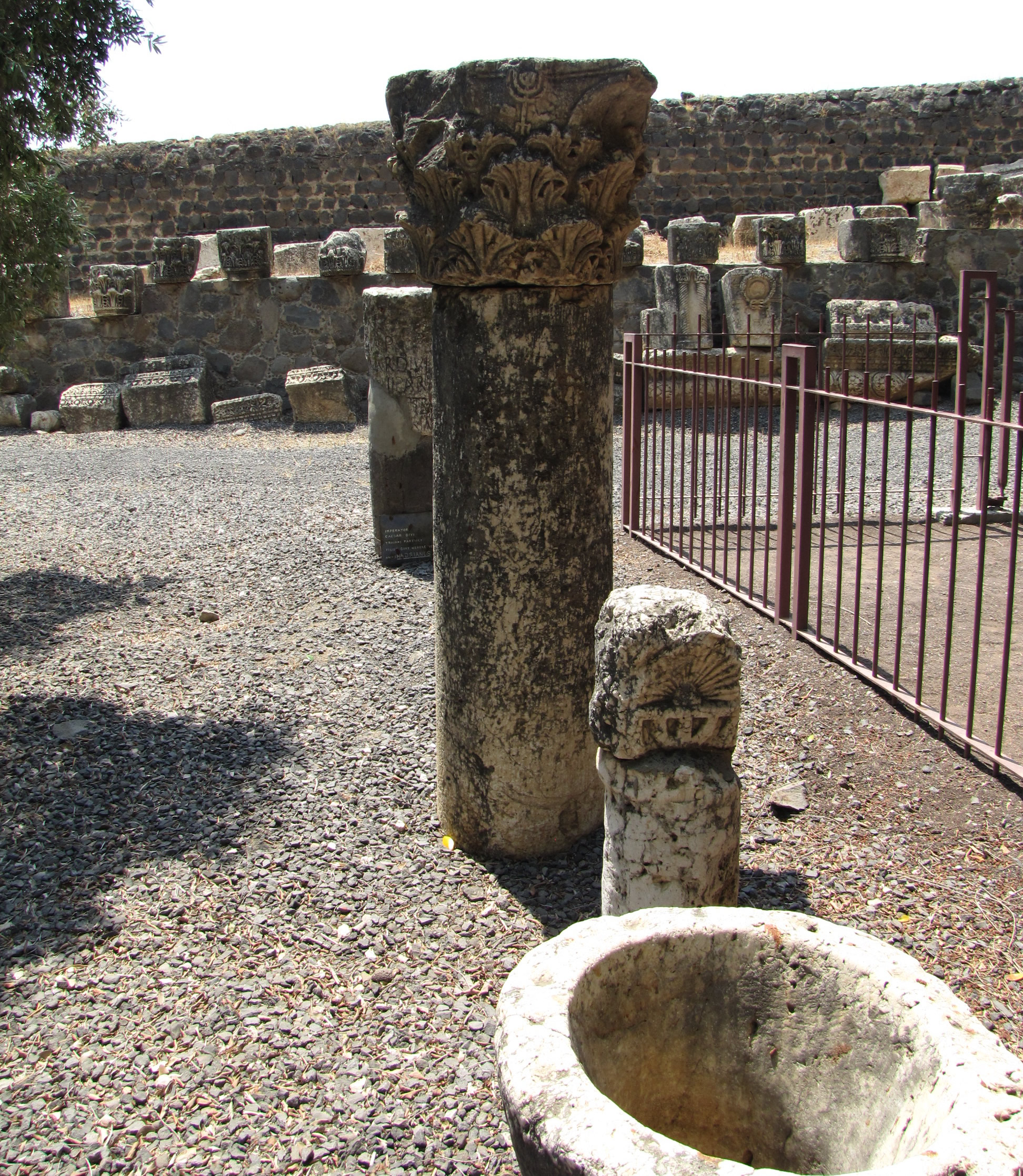
| Seven branched menorah with tripod and incense shovel and ram's horn (shophar) in white limestone on a Corinthian capital for synagogue in Capernaum. |
 |
| |
 |
| |
 |
| |
 |
| |
 |
| |
 |
| |
 |
| |
 |
| |
 |
| |
 |
| |
 |
| |
 |
| |
 |
| |
|
| |
|
| Industrial Park |
(back to top) |
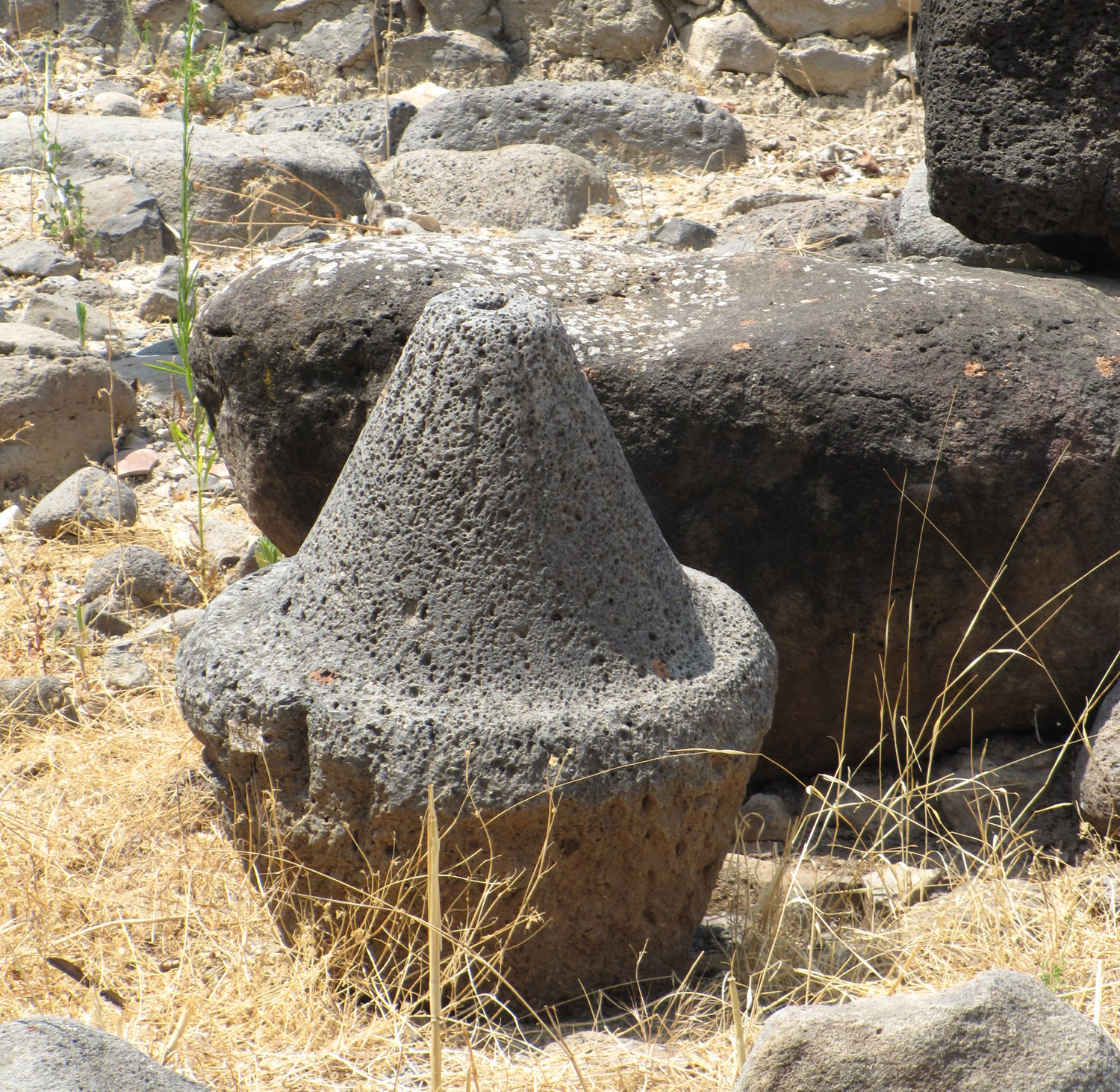 |
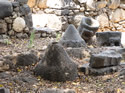
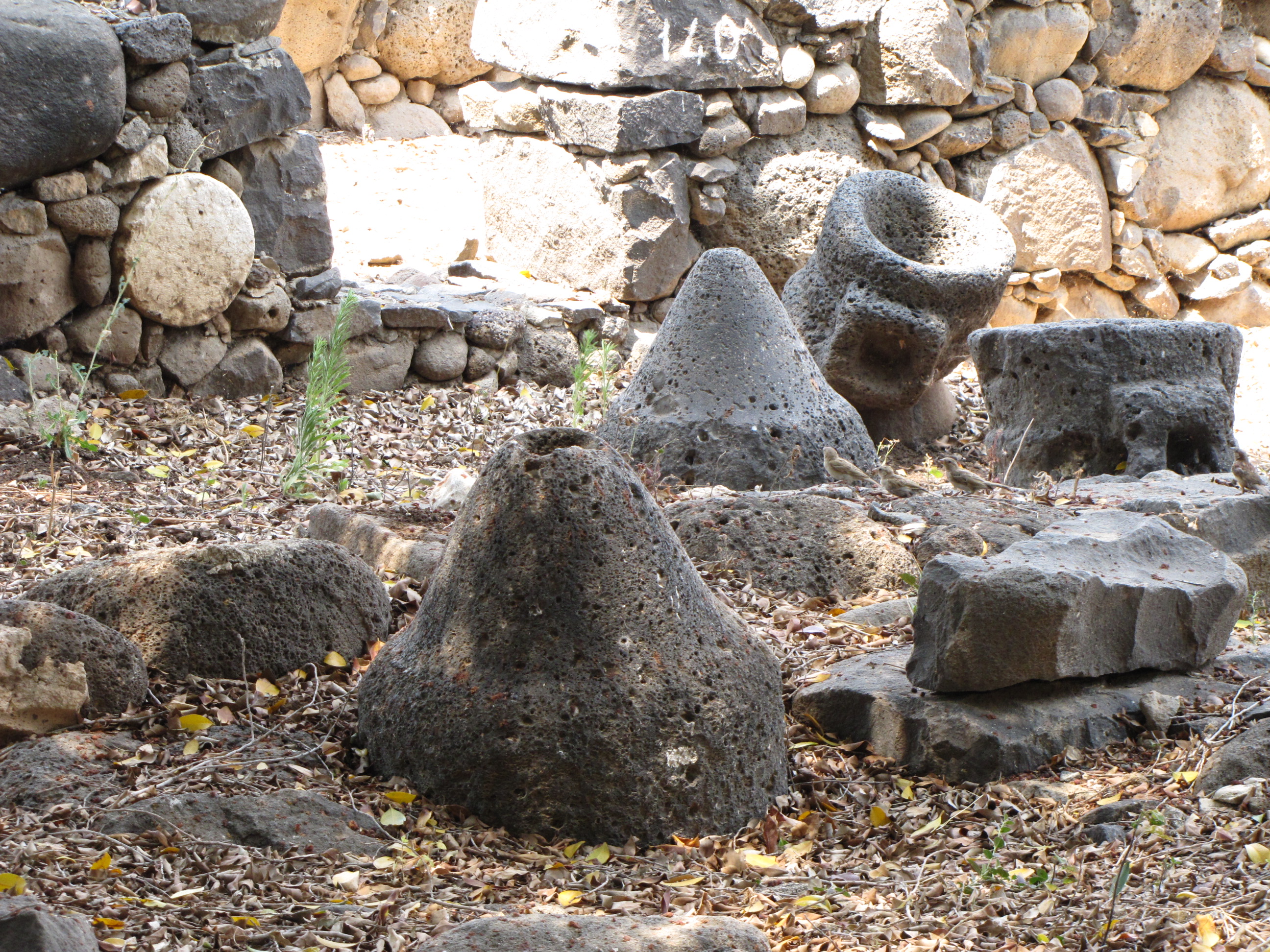
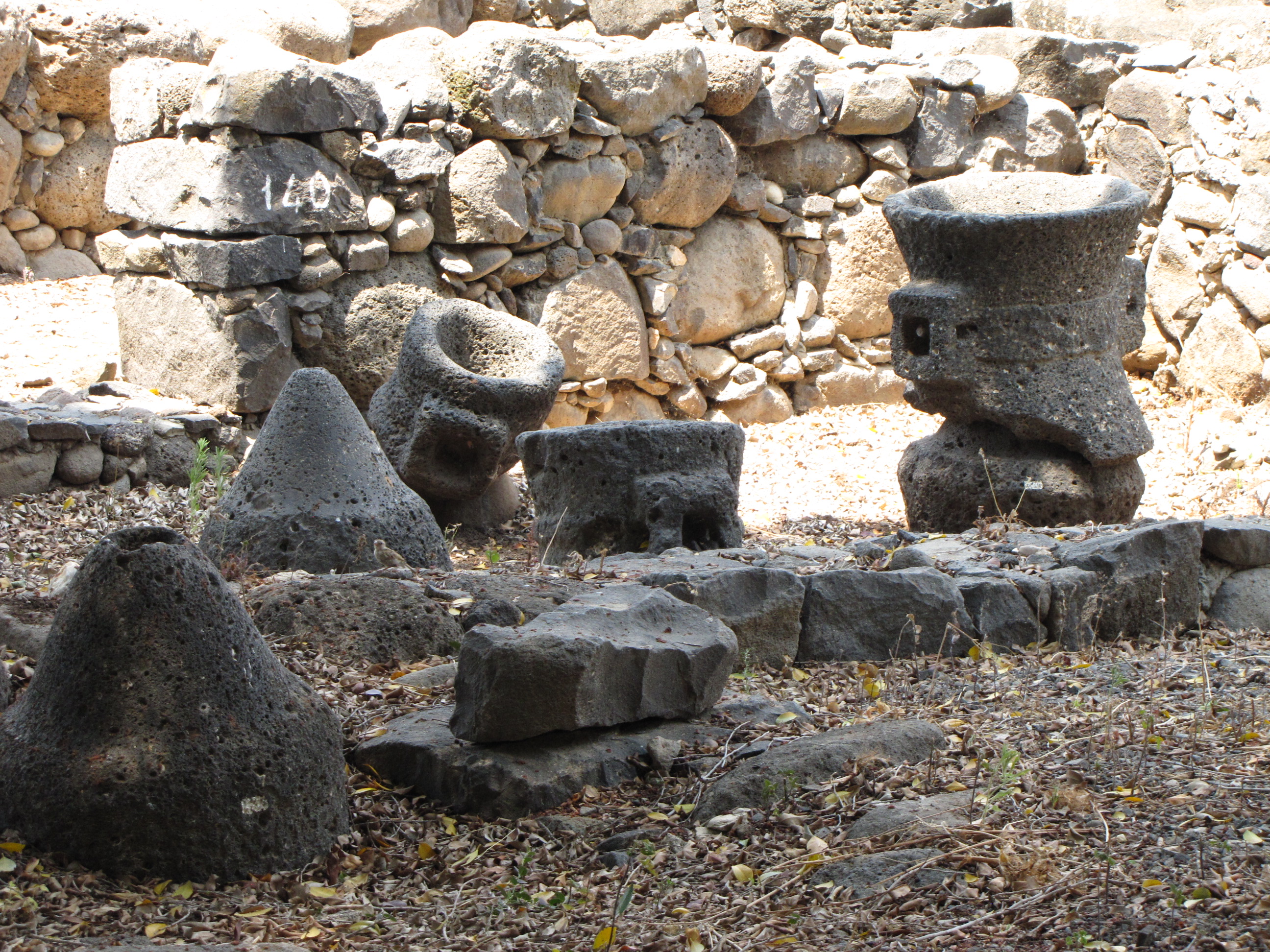
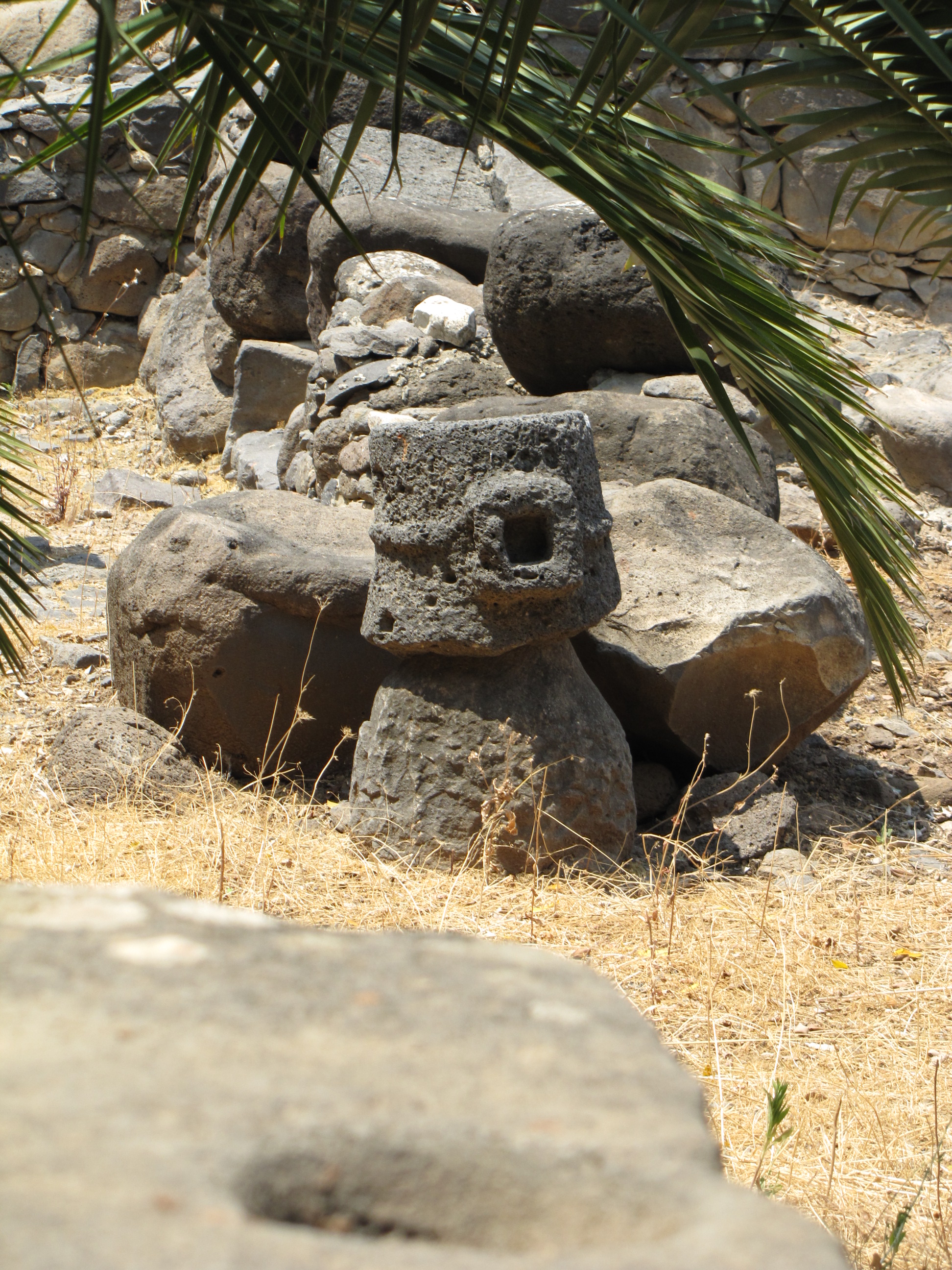
| The industrial park in Capernaum produced basalt equipment such as grinders and olive presses. Here equipment remains can be seen. |
 |
| |
 |
| |
 |
| |
|
| Basalt Stone Equipment |
(back to top) |
 |
| |
 |
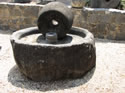
| Lever press base |
 |
| Olive Press |
 |
| |
 |
| |
 |
| |
|
| |
|
| |
|
| Residential Area |
(back to top) |
 |
| |
 |
| |
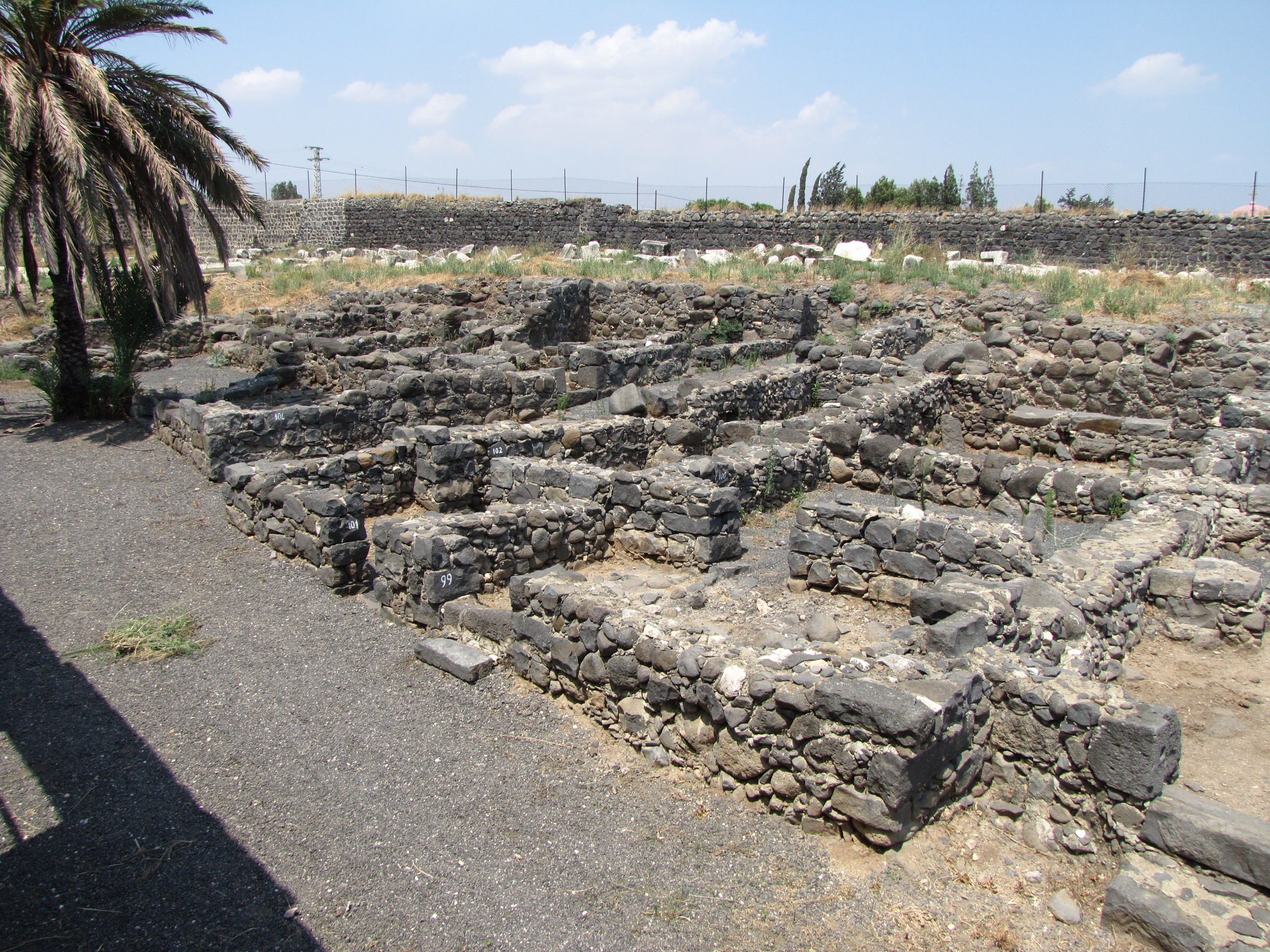 |
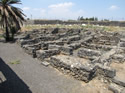
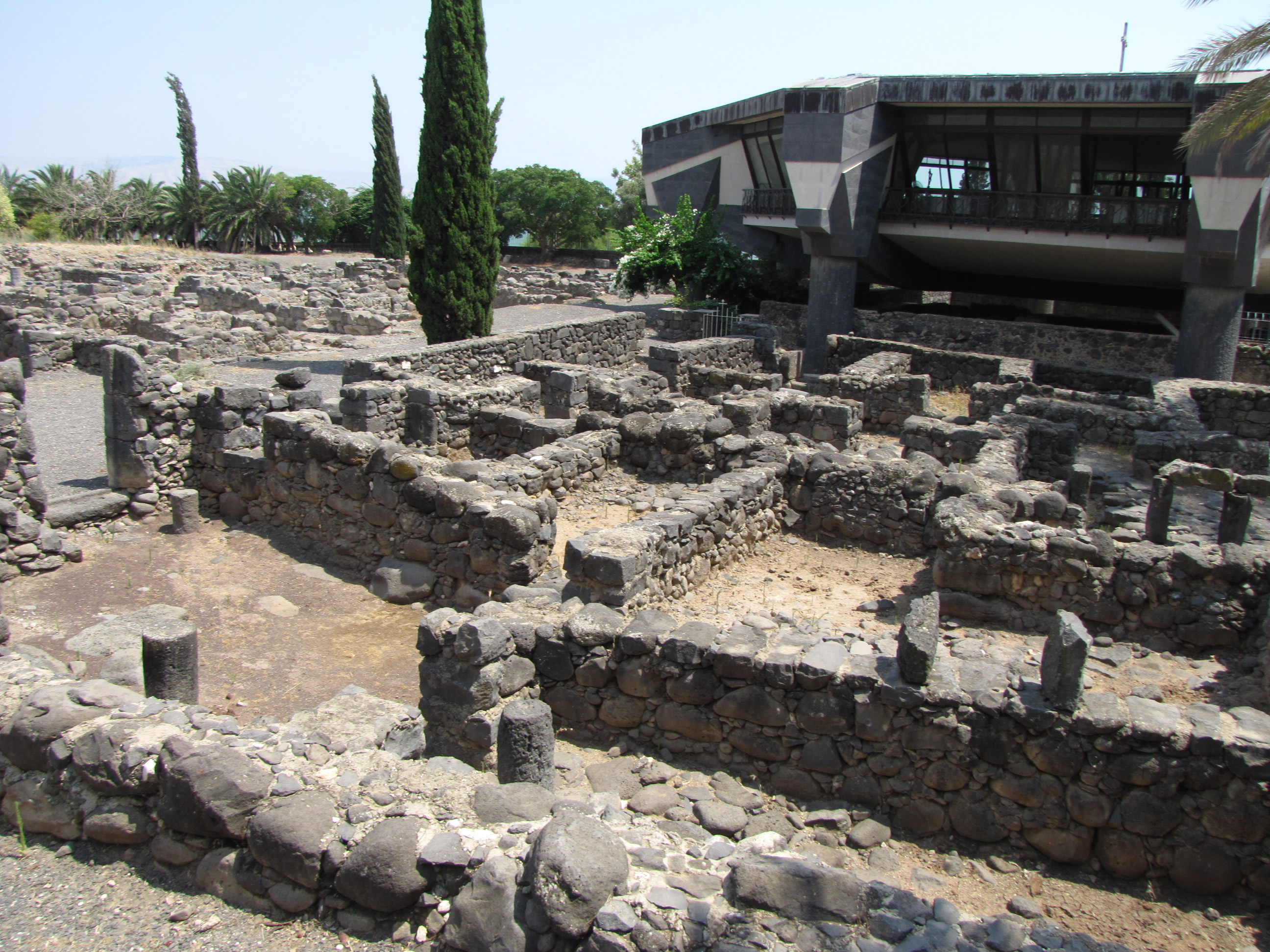
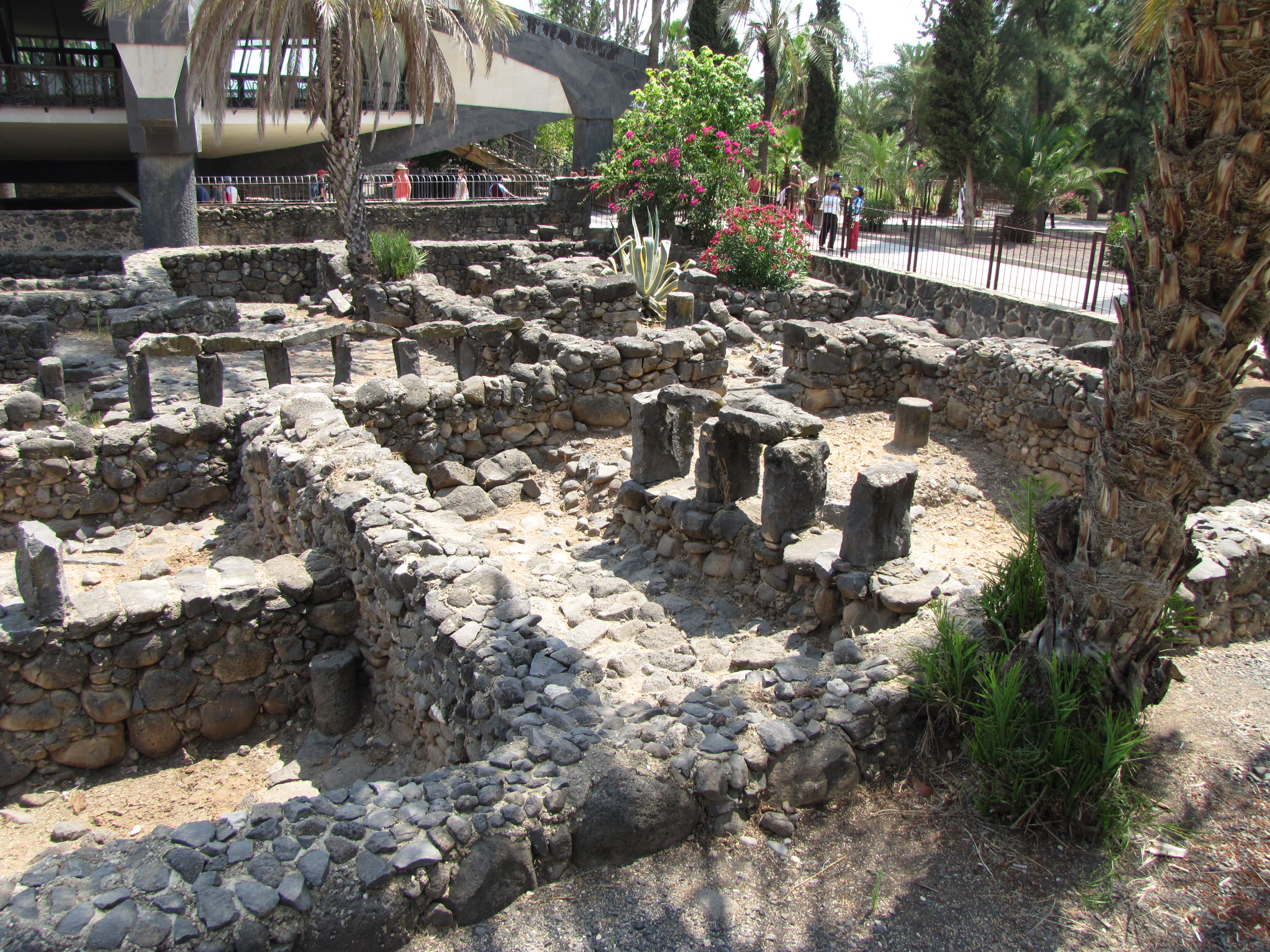
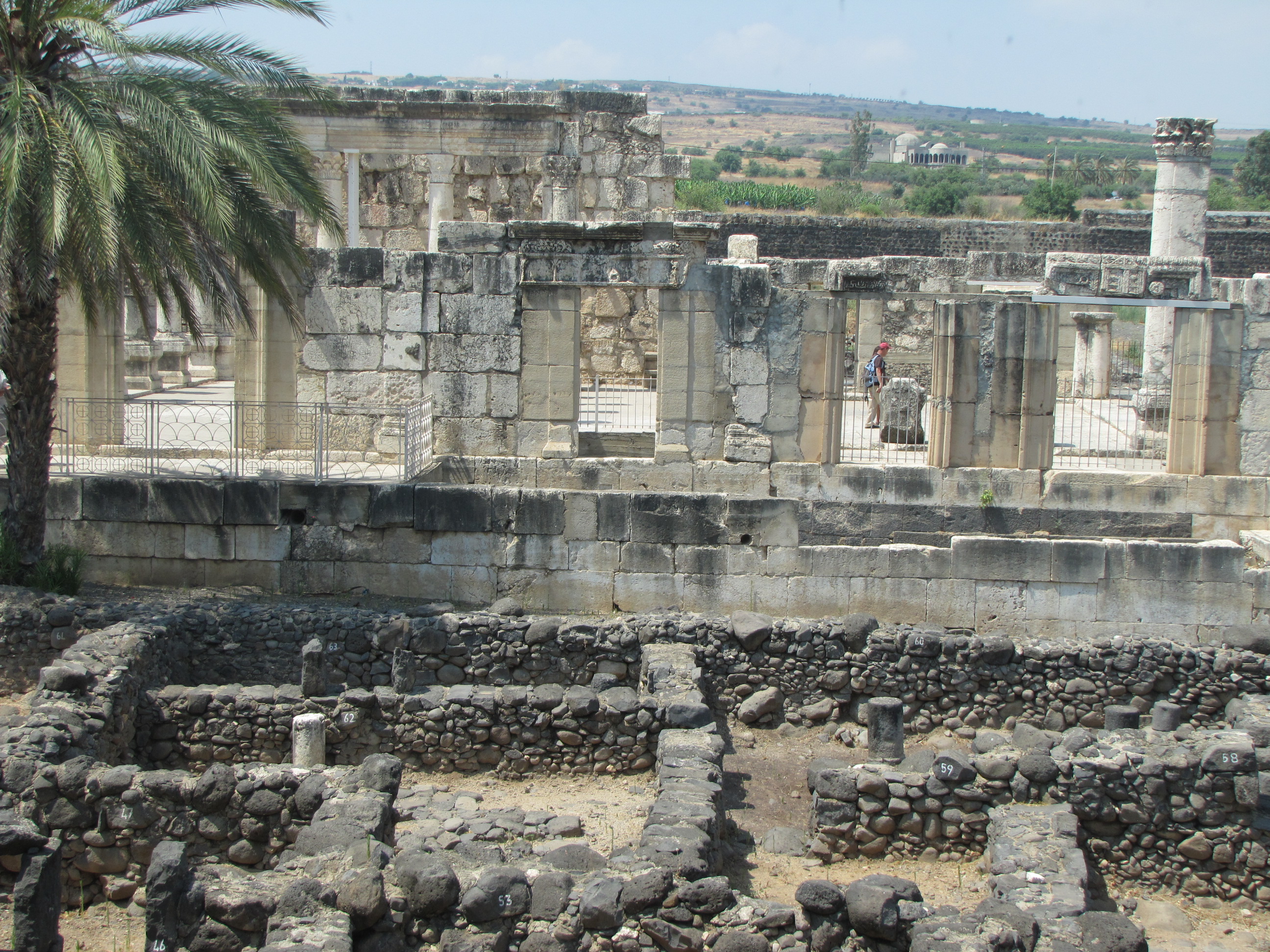
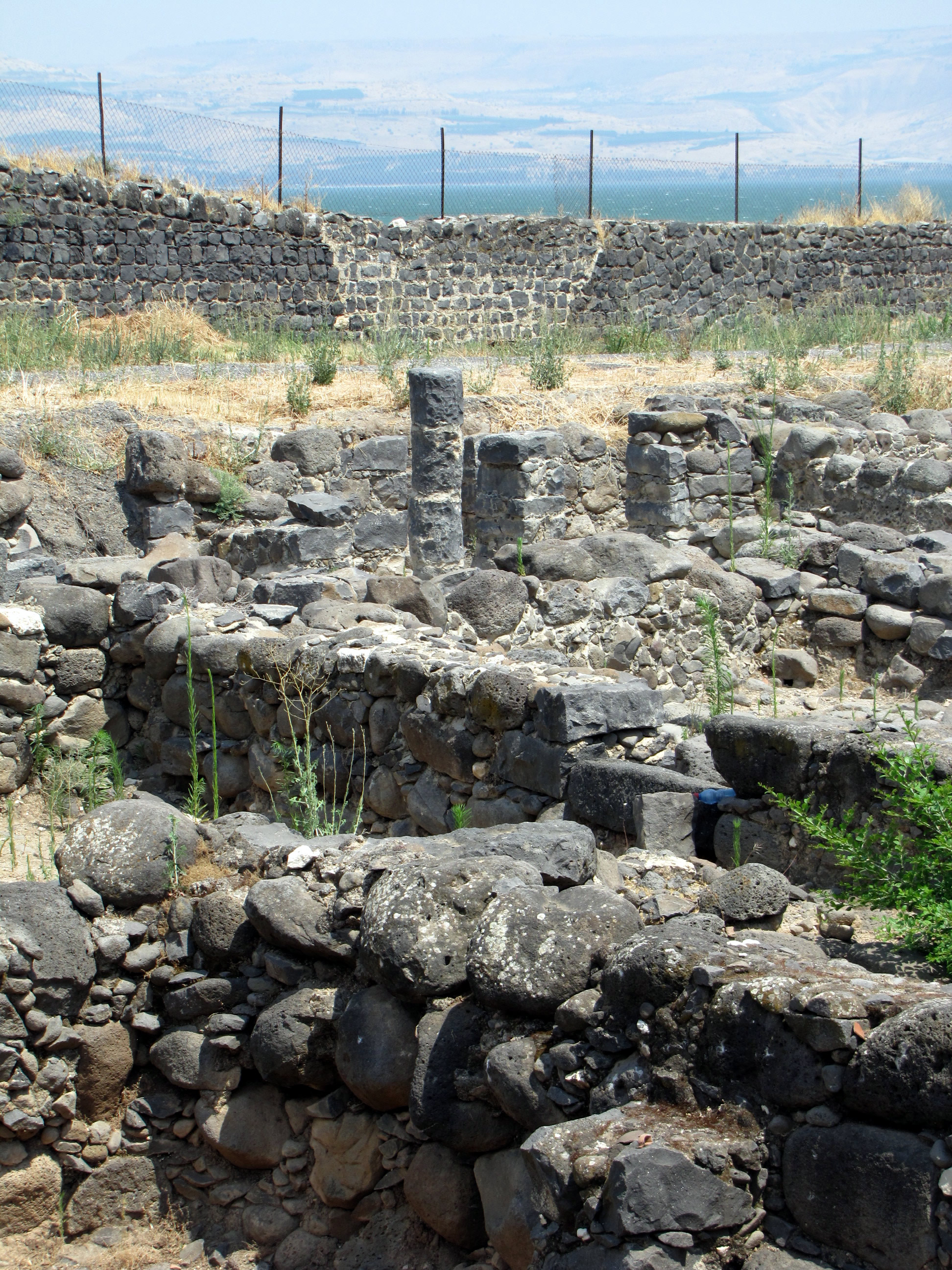
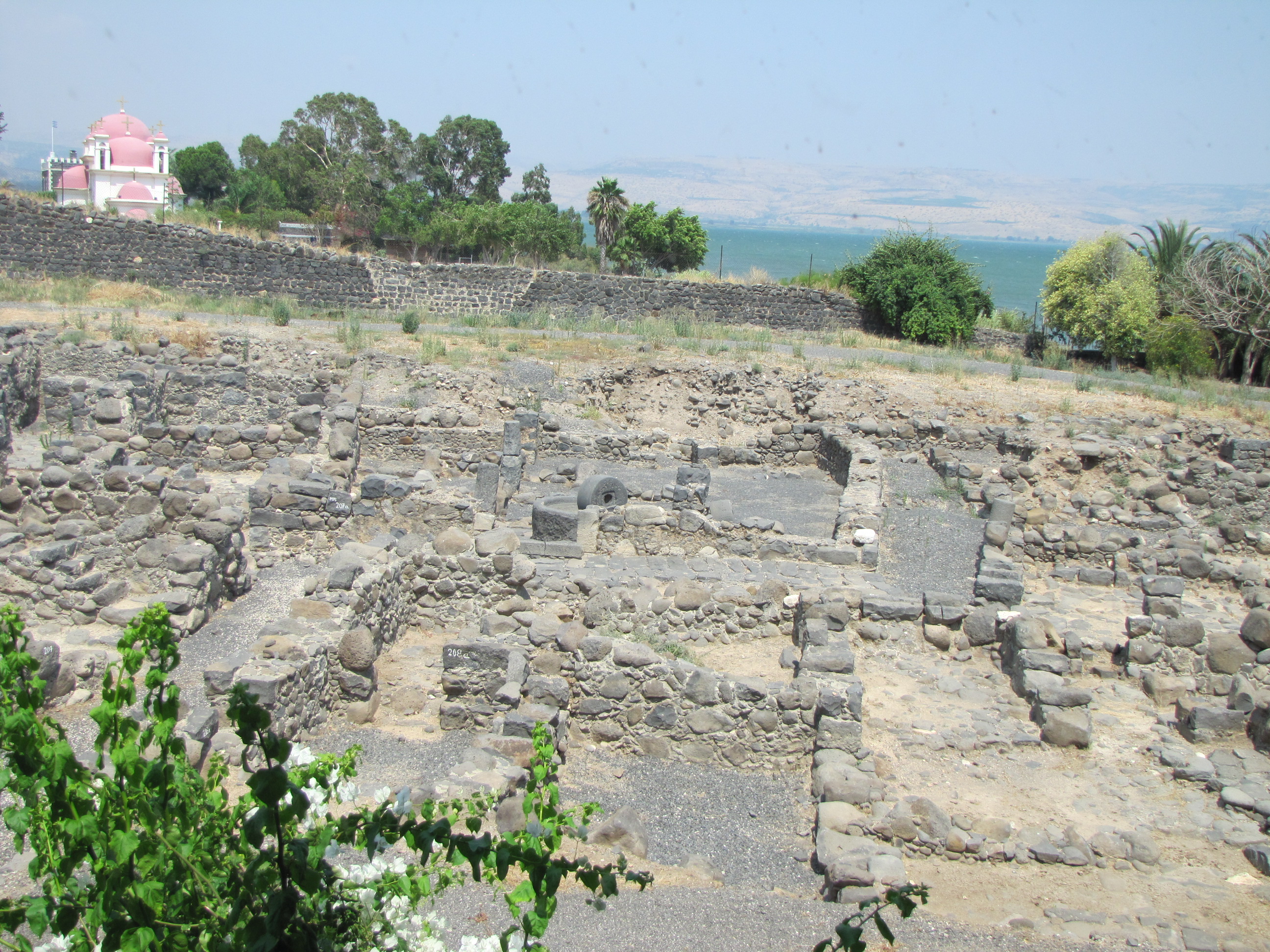
Residential Area of Capernaum -
Looking across homes from Peter's house at the Synagogue in Capernaum |
 |
| |
|
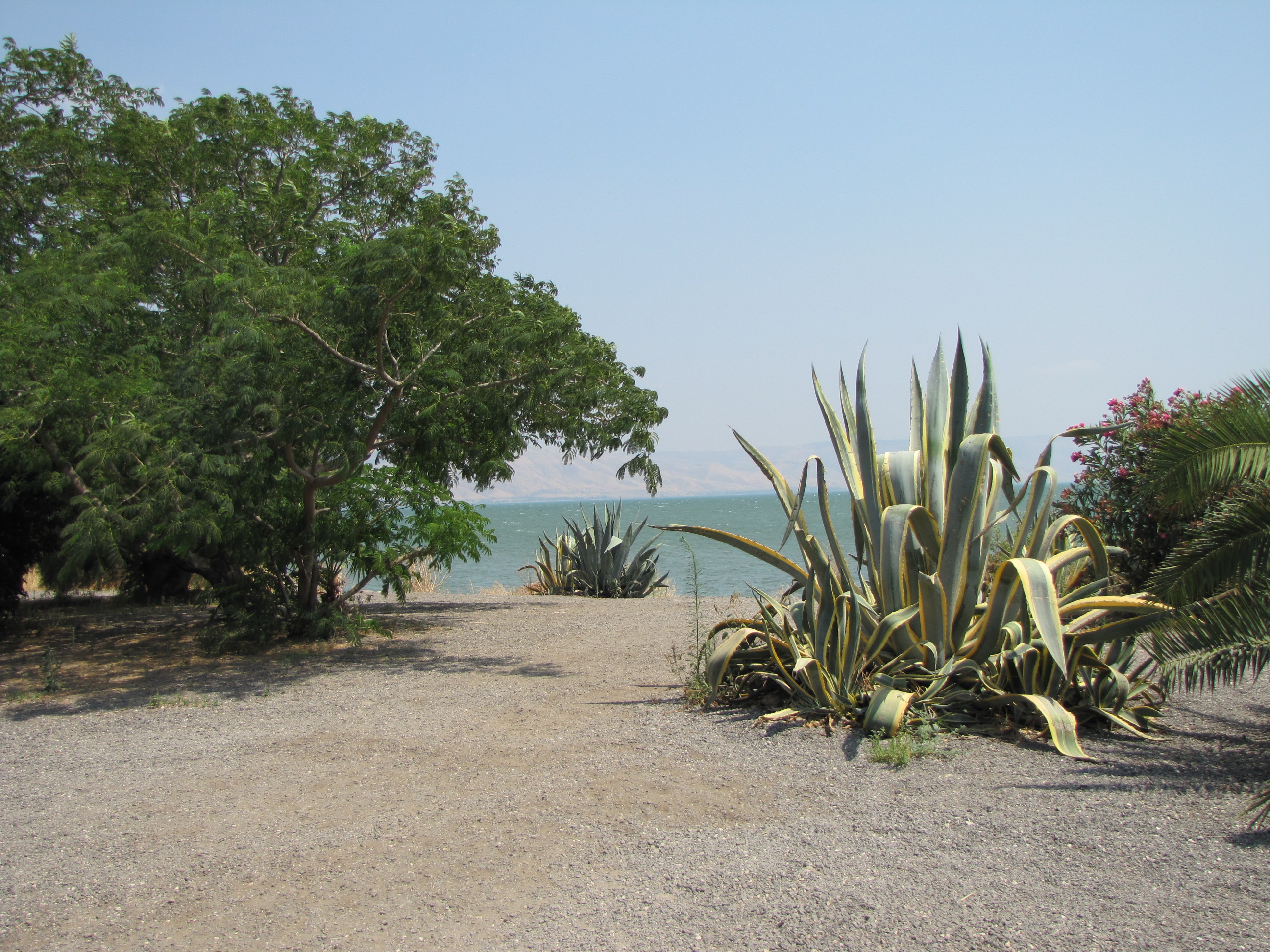
| View of the Sea of Galilee |
(back to top) |
 |
| |
 |
| |
 |
| |
 |
| |
|
| Rome mile marker along a major highway through Capernaum. |
 |
| |
|
Industry in Capernaum producing basalt equipment such as grinders.
Notice the remains of equipment. Most cities would have one or two. Capernaum had an idustrial park of their remains. |
|
| More industry. Notice the cone shaped rollers made of basalt stone. |
|
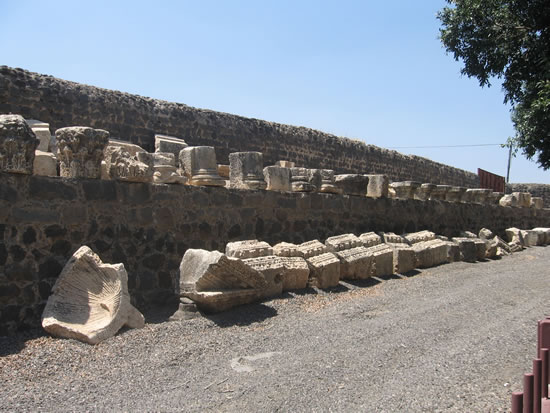
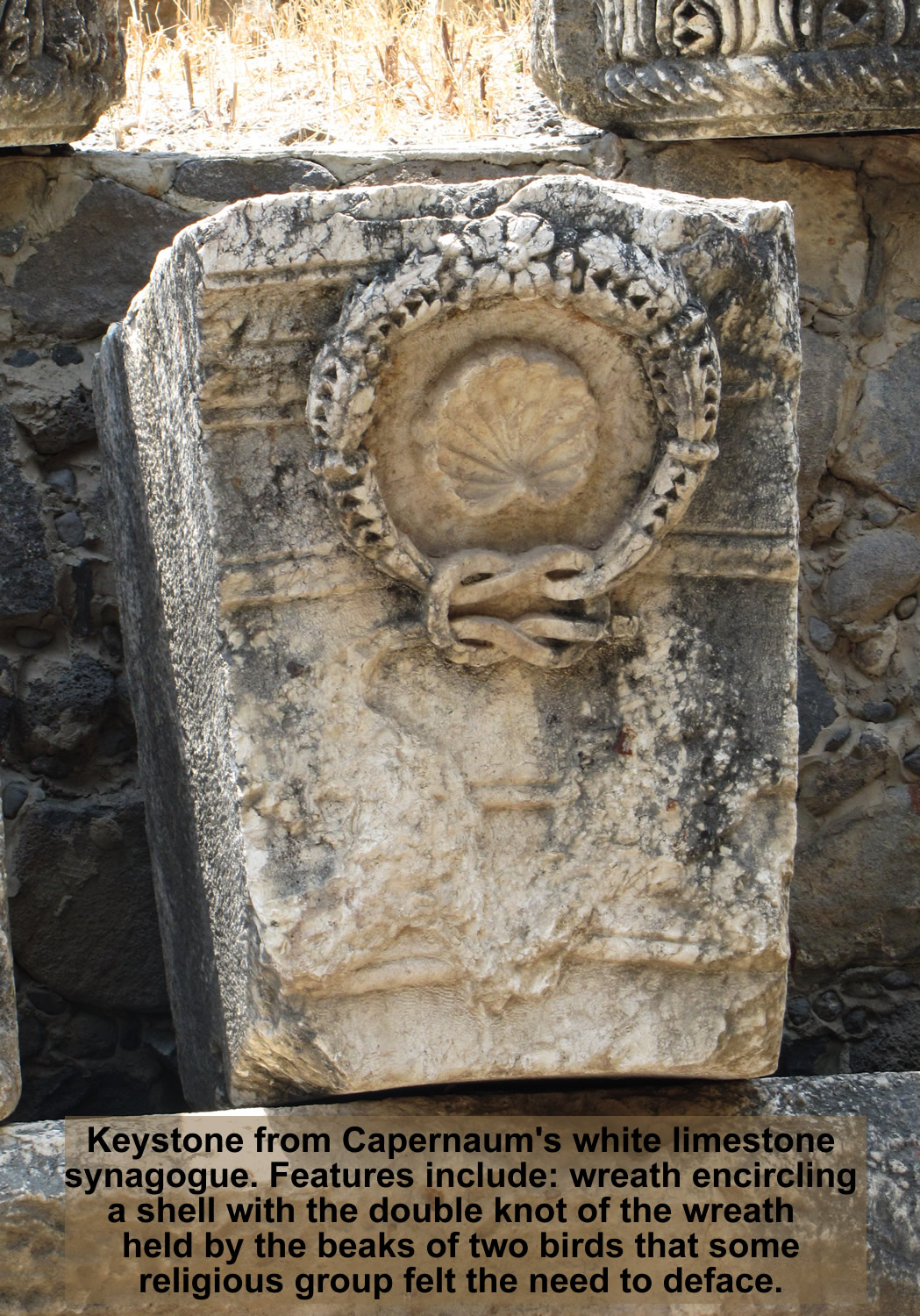
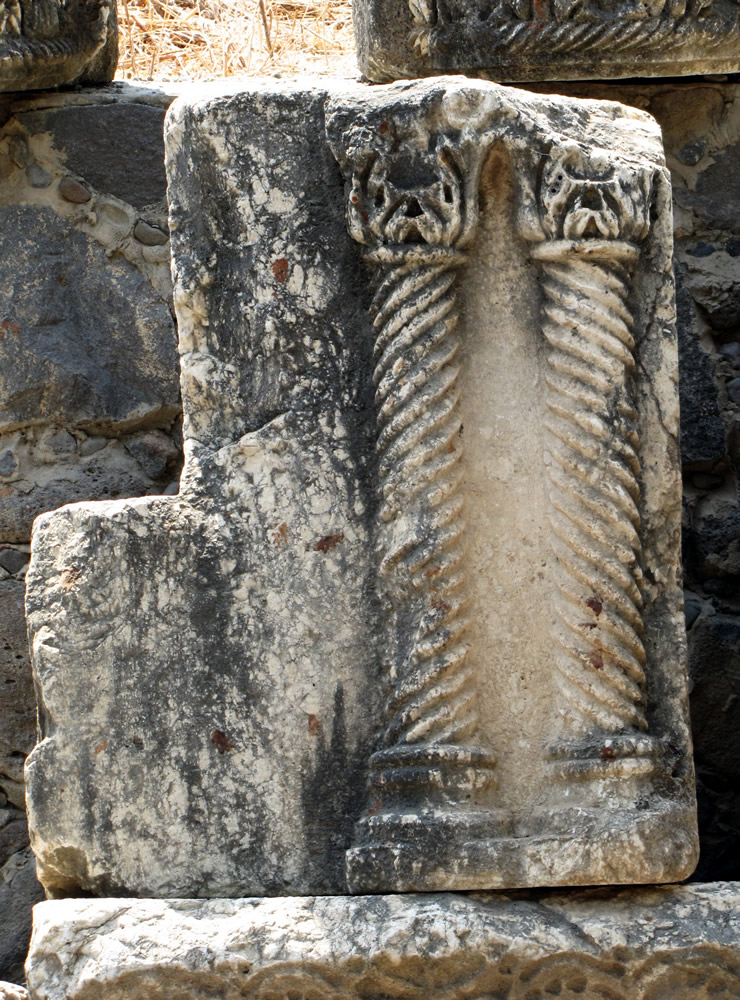
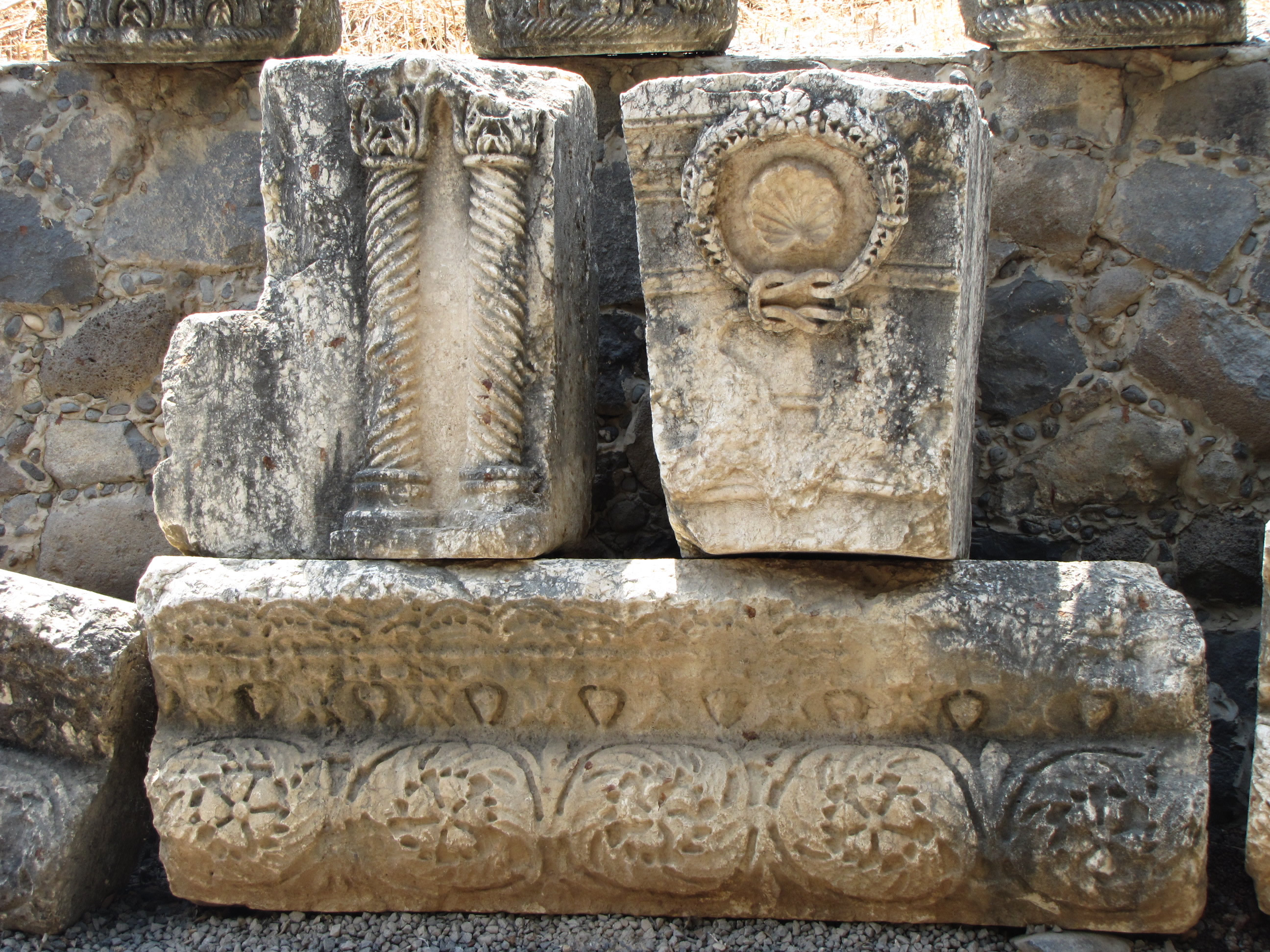
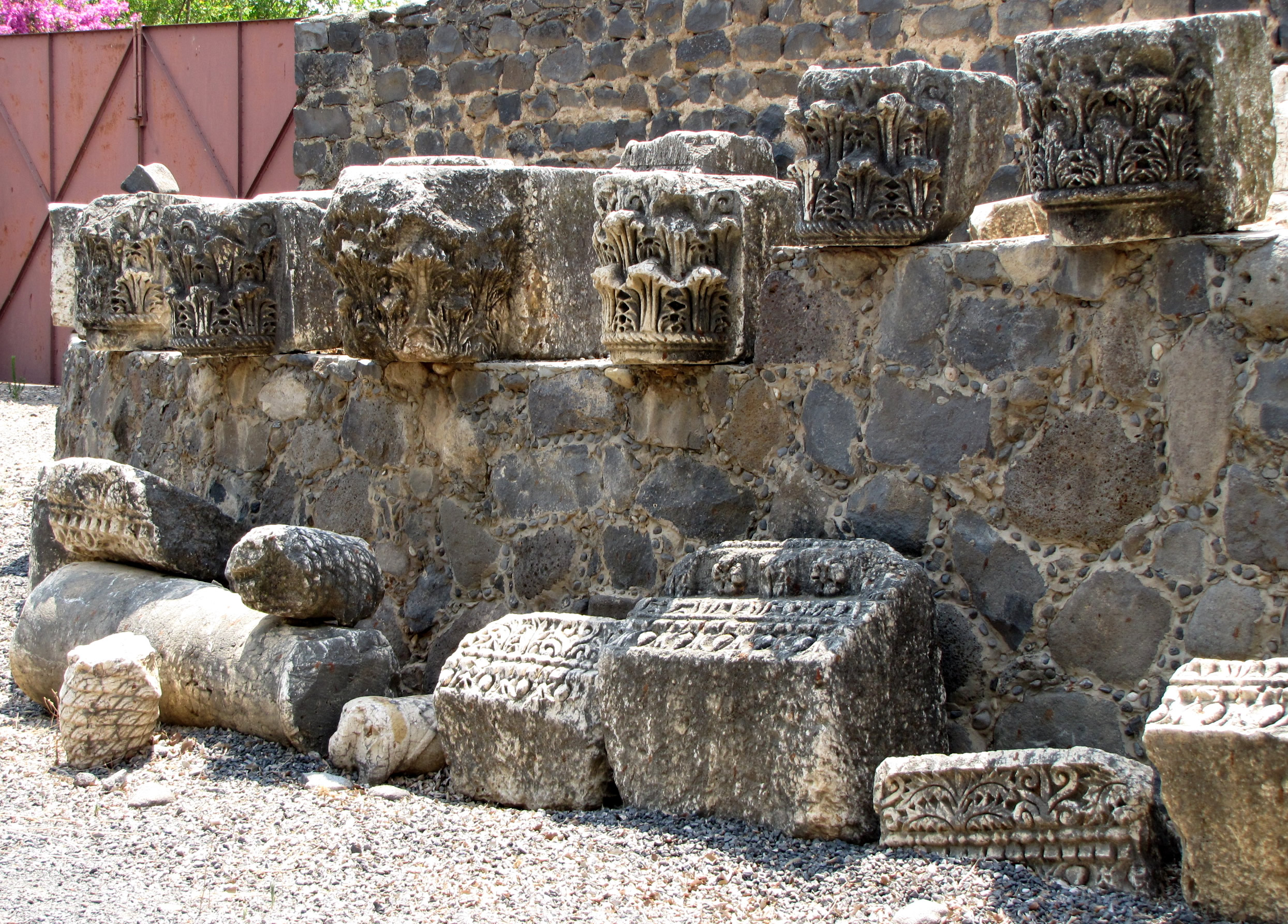
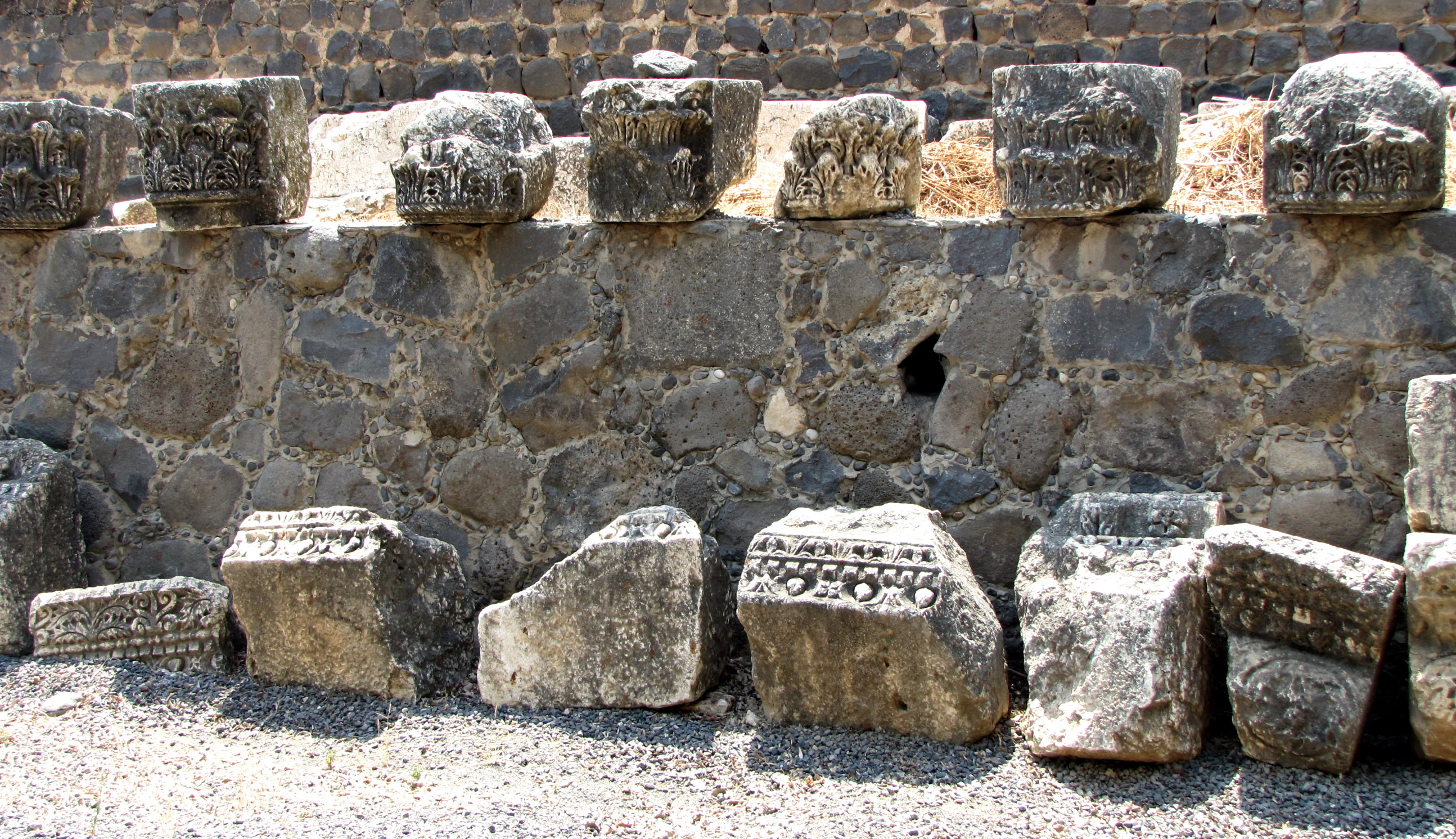
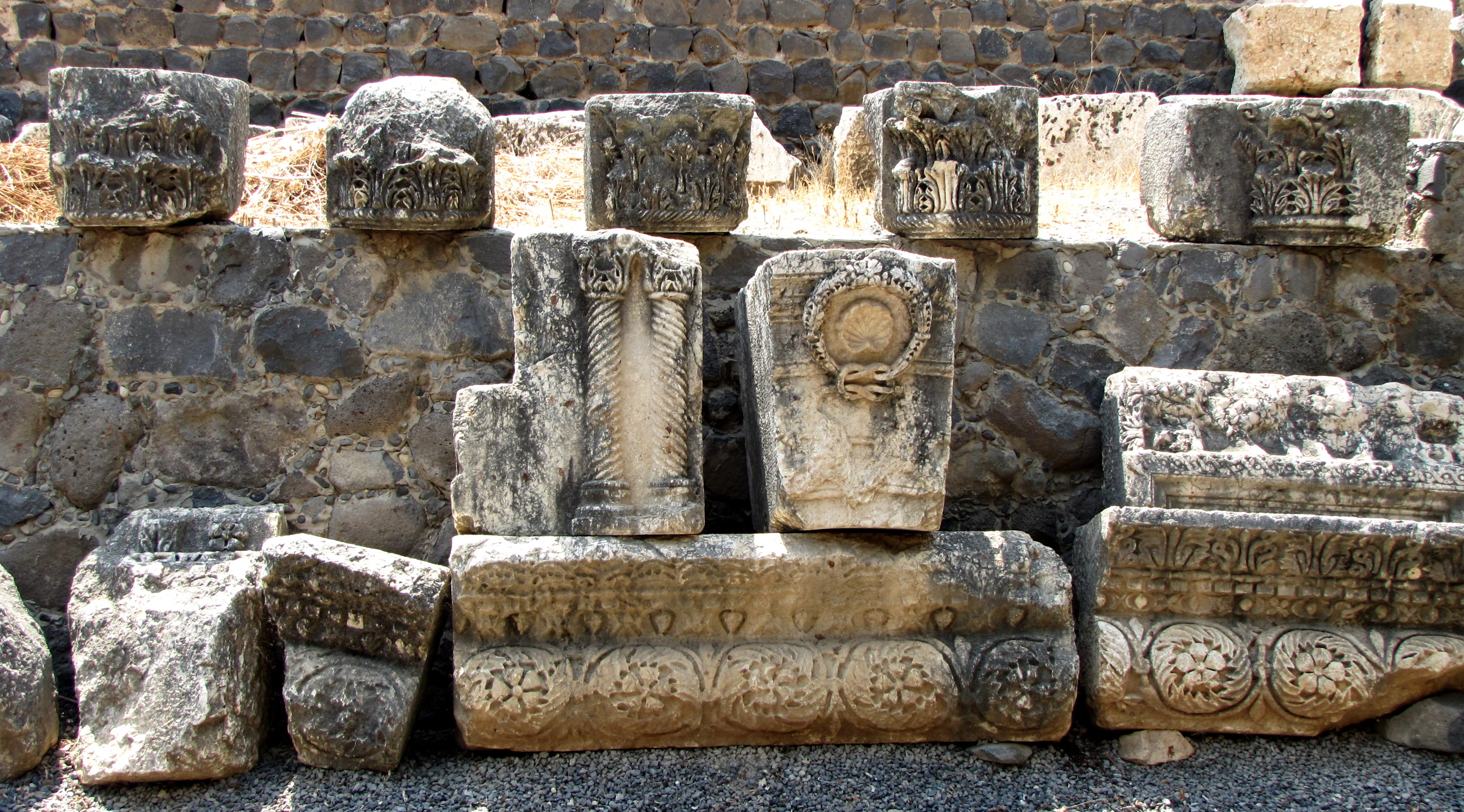
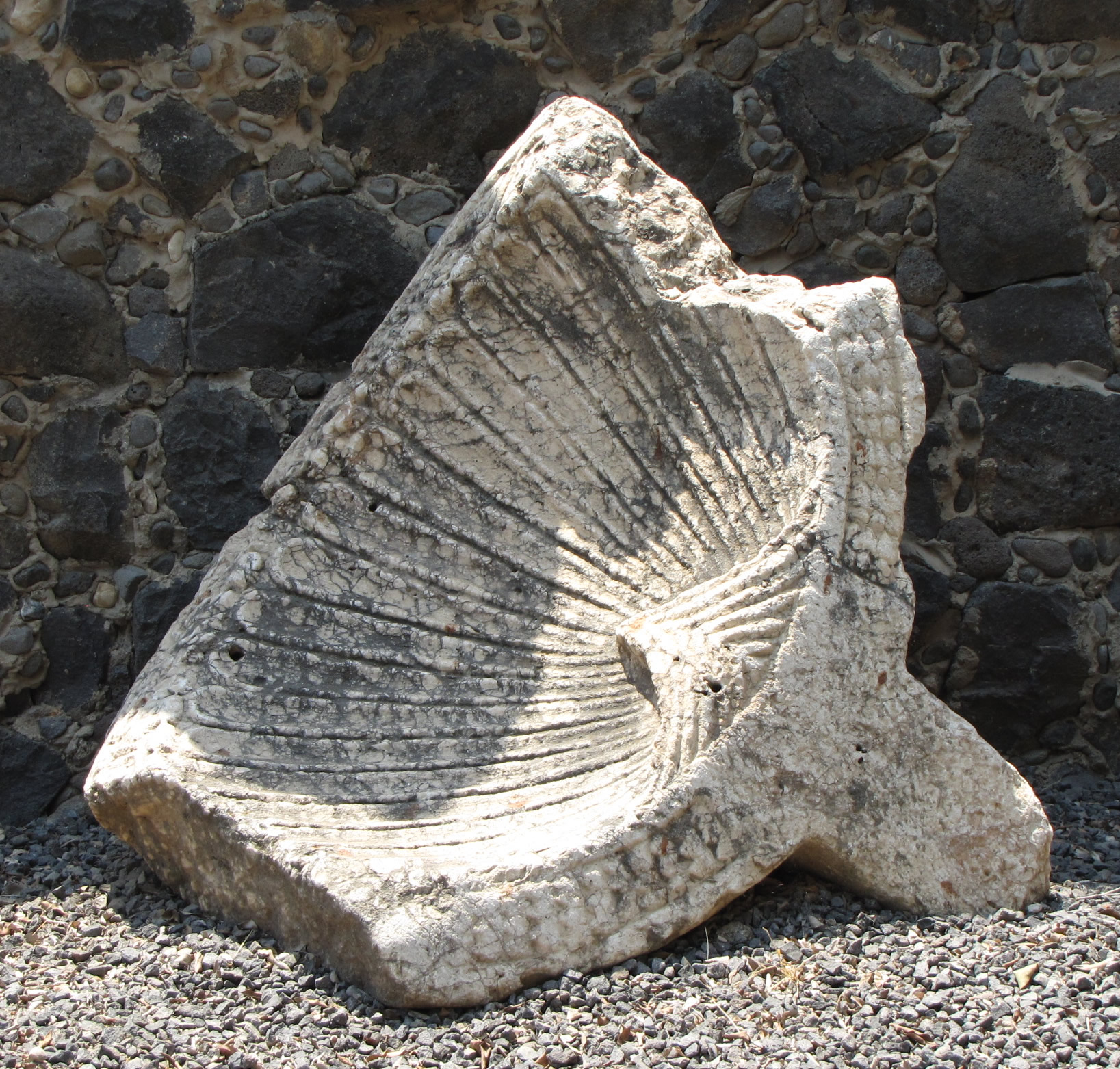
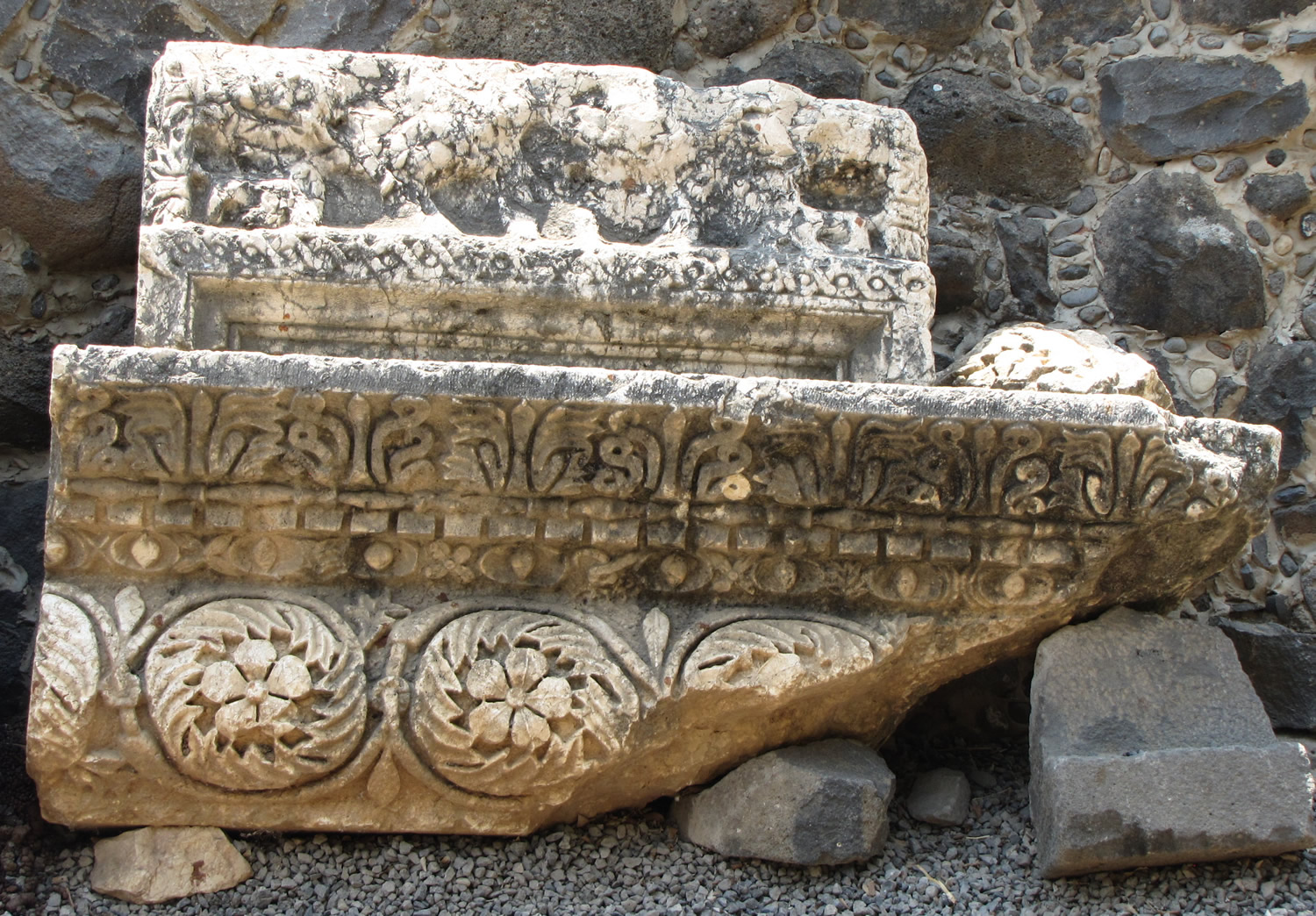
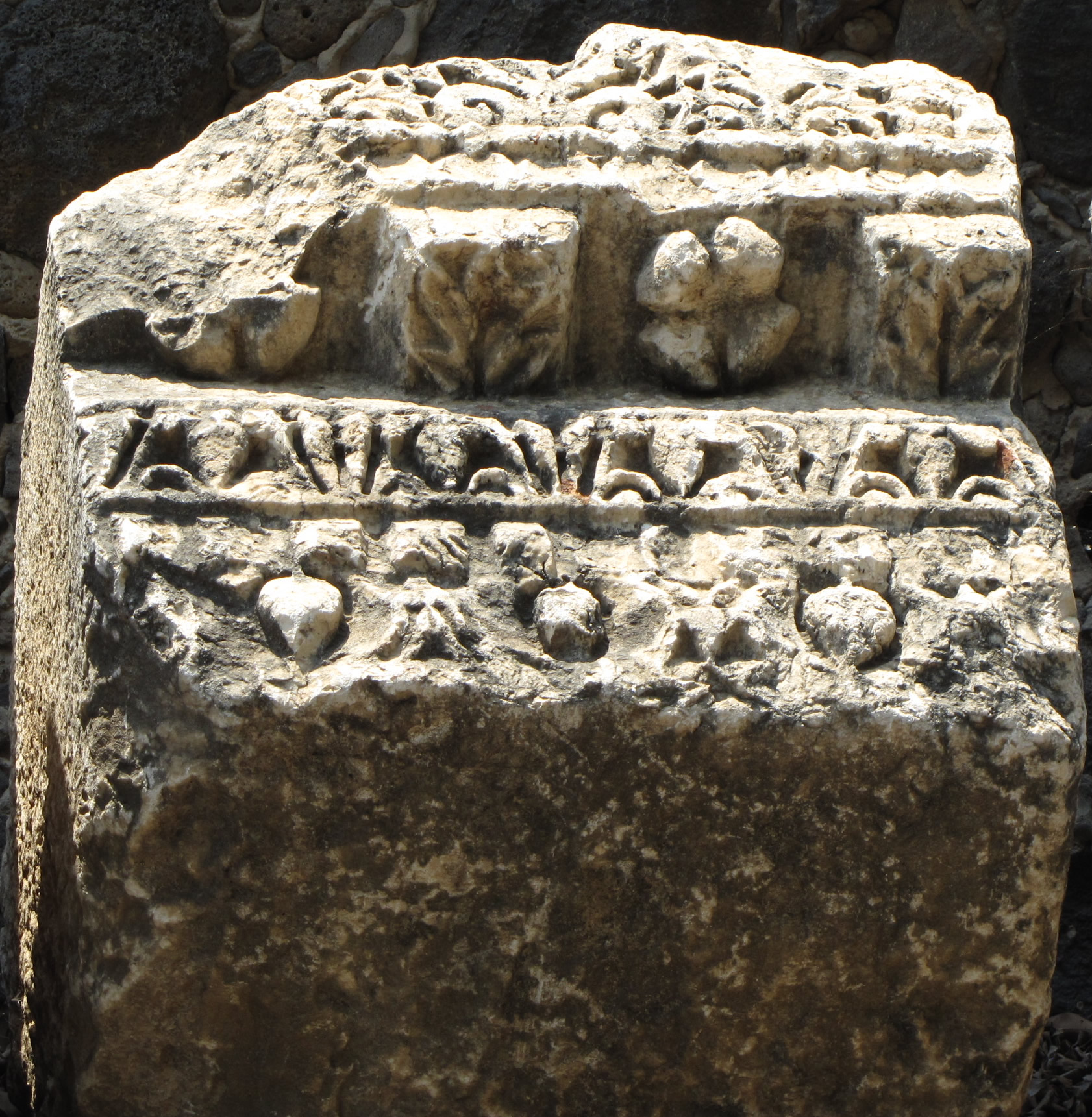
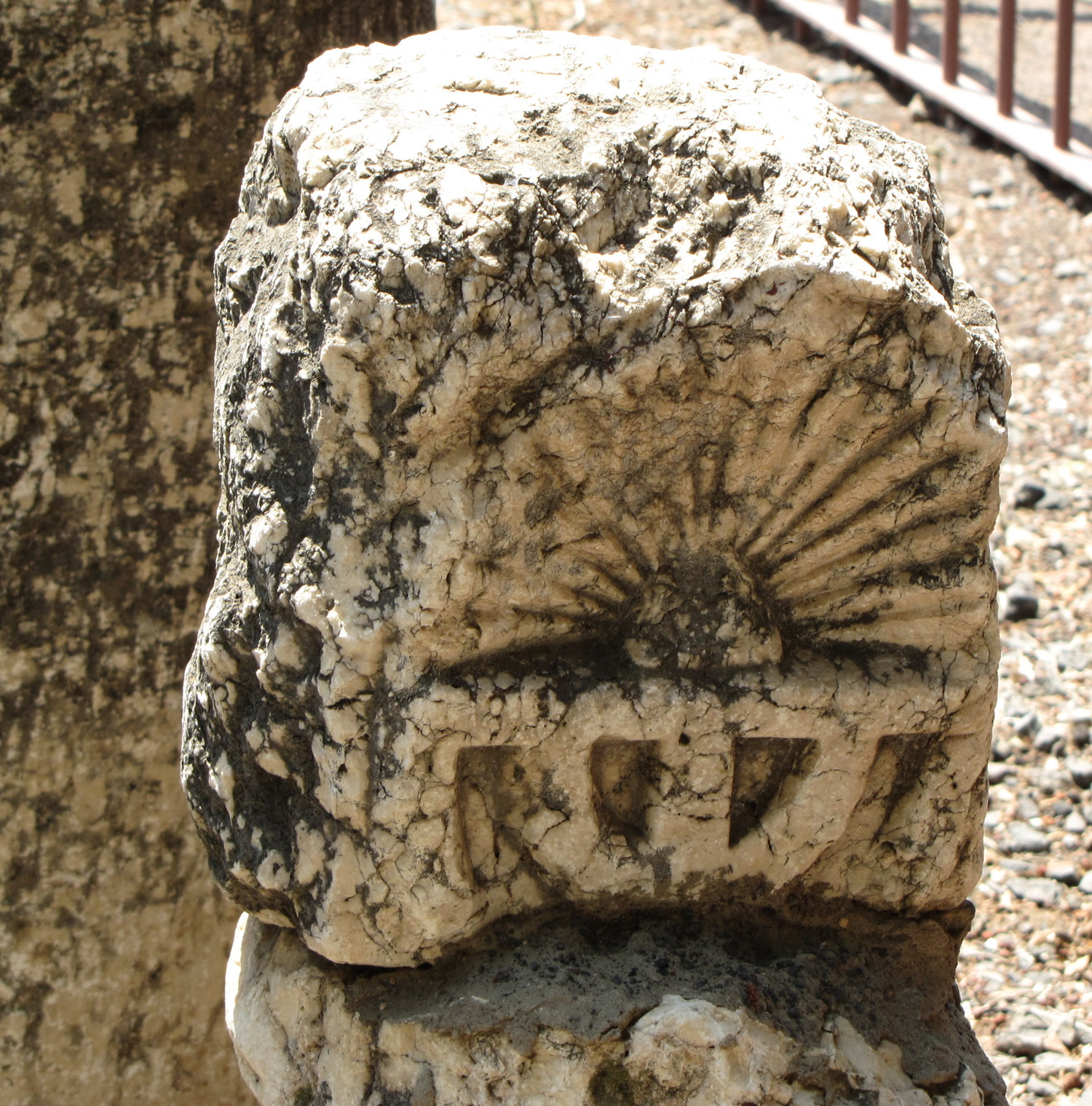
| Carvings from the buildings and synagogue. The white stone is clearly from the synagogue when compare to the local basalt stone. |
|
| Many of these stone carved pieces came from the synagogue |
|
| Here a Jewish menorah (lampstand) can be seen |
|
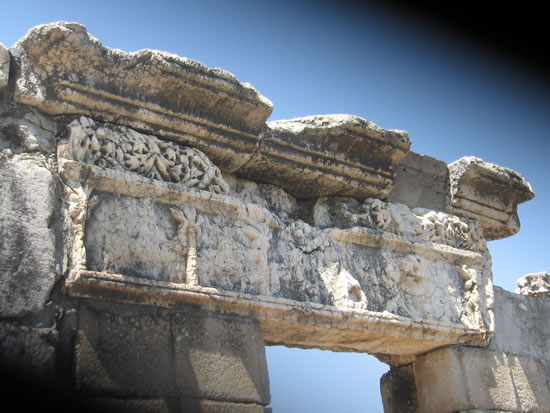
This is the lintel of the entrance into the synagogue. The base of this synagogue dates back to the days when Jesus would have preached here.
(back to top) |
|
| A decorative pilaster on the outside of the synagogue wall |
|
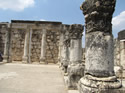
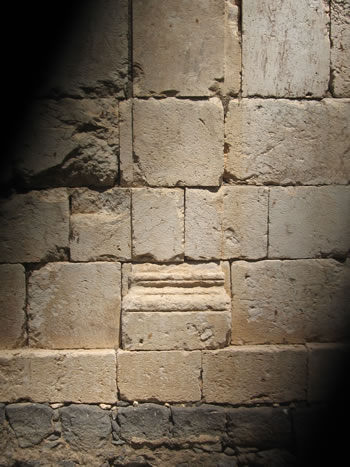
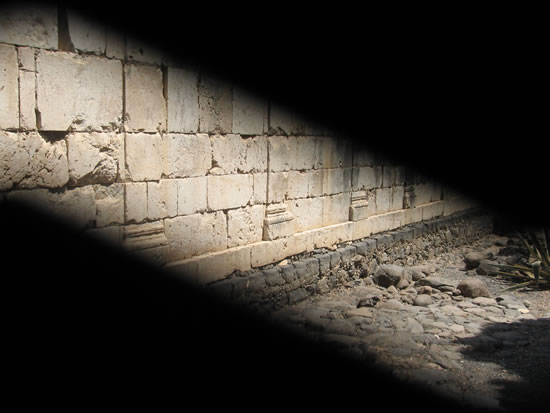
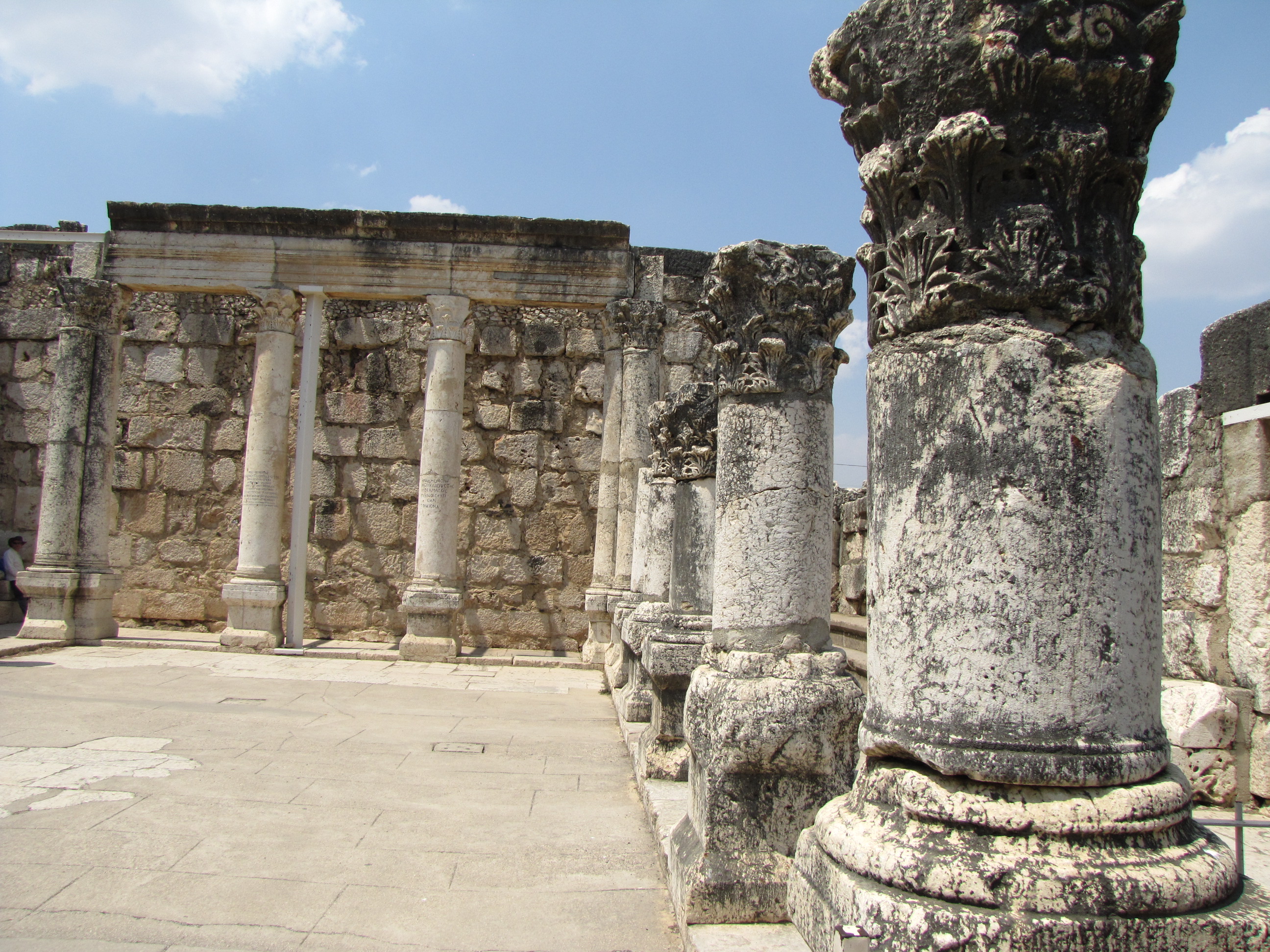
Pilasters on the inside of the synagogue.
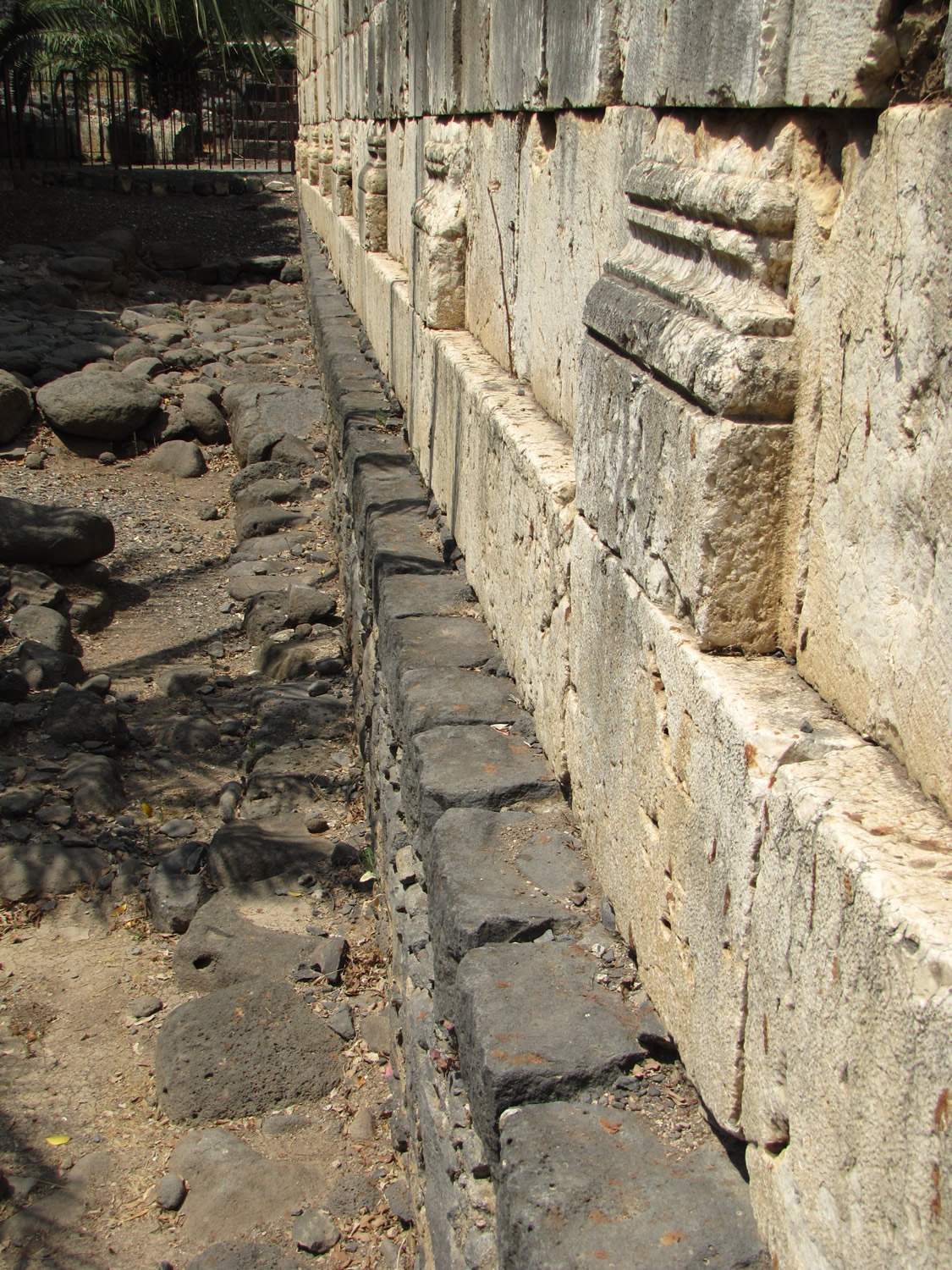
Notice the white stone of the wall that stands on the darker basalt stone of the foundation and floor.
The dark basalt stone is from the synagogue that Jesus preached in.
The white stone synogogue is from the 400's AD. |
|
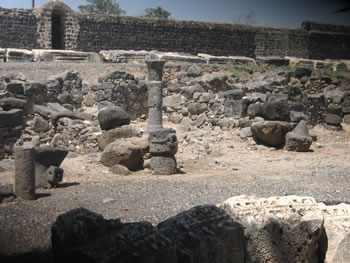
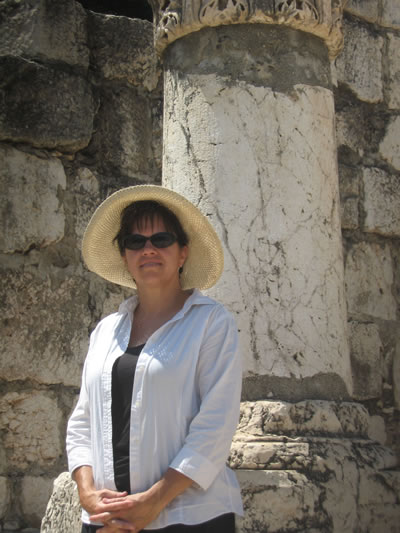
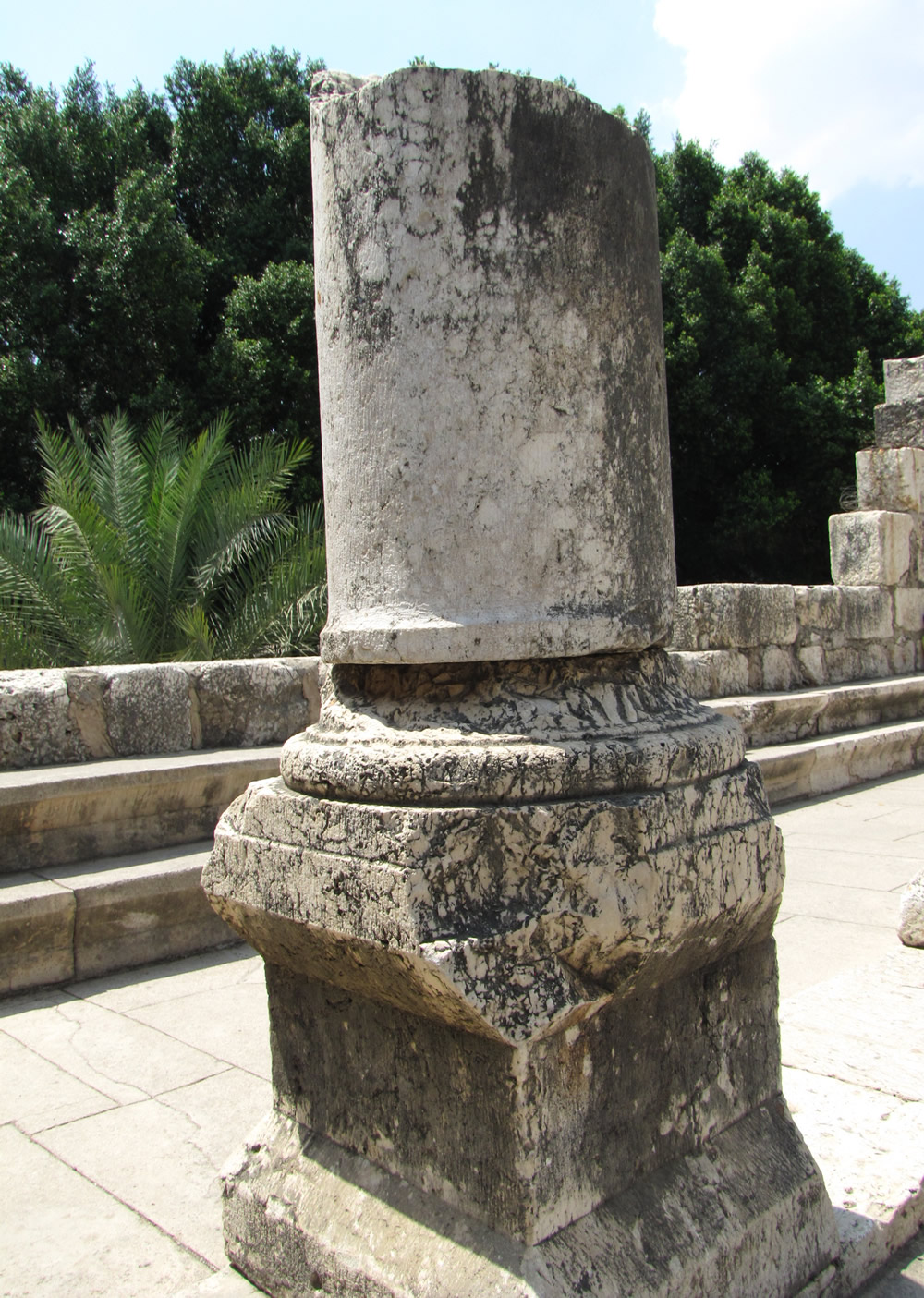
| Toni beside a synogogue pillar. |
|
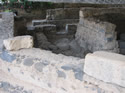
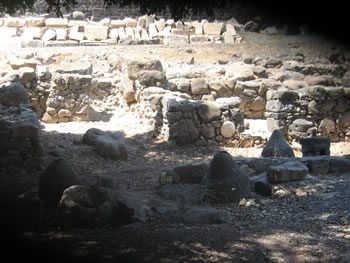
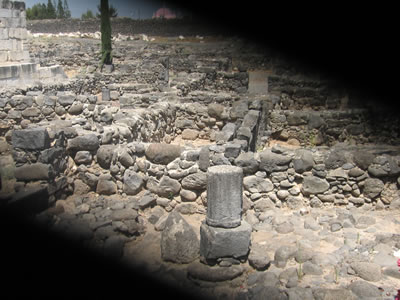
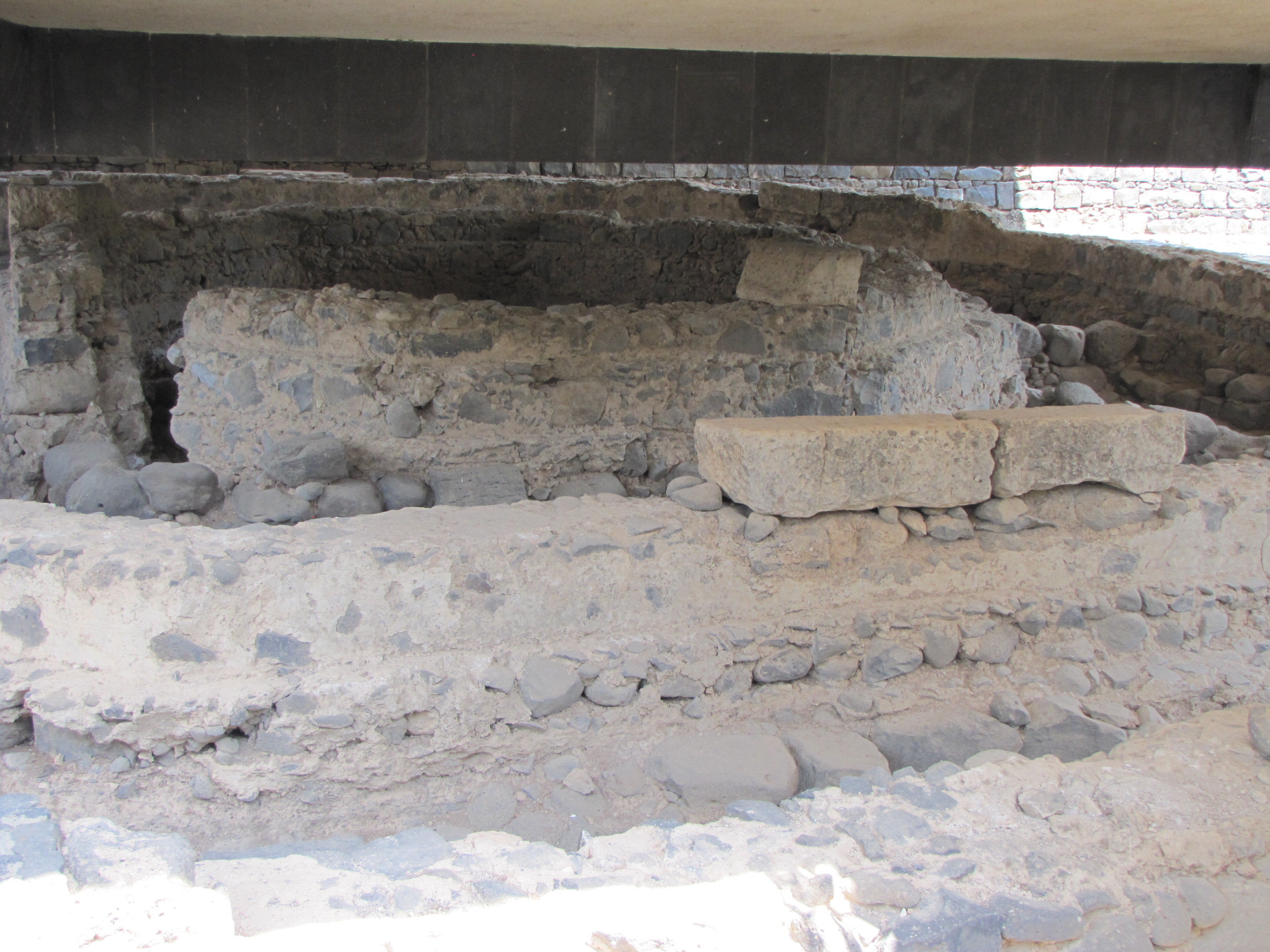
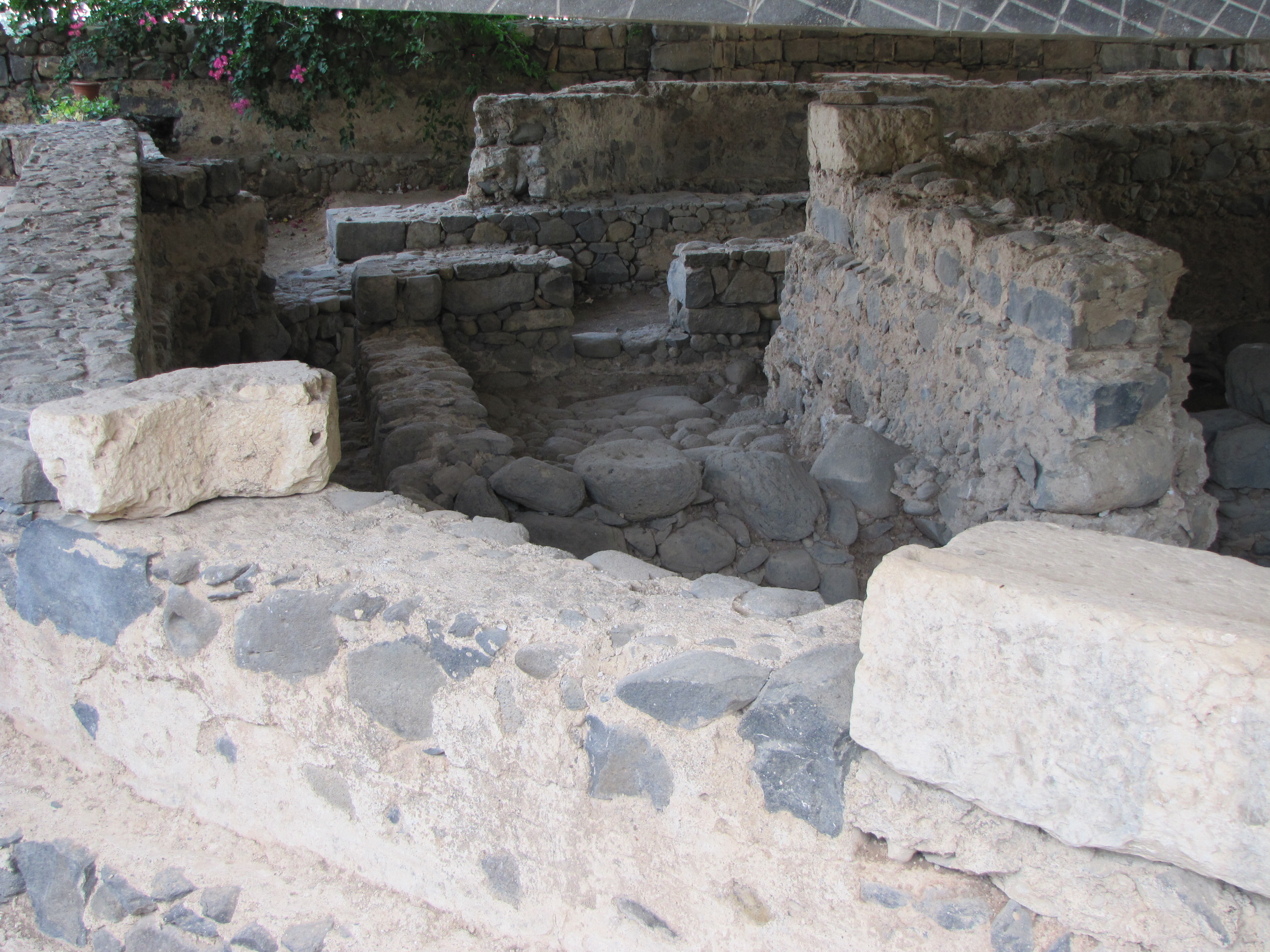
These are the remains of homes and buildings in Capernaum.
Peter's residence was here in Capernaum. Jesus visited Peter's house but Jesus also had his own place in Capernaum. This city became the headquarters for Jesus' ministry.
|
|
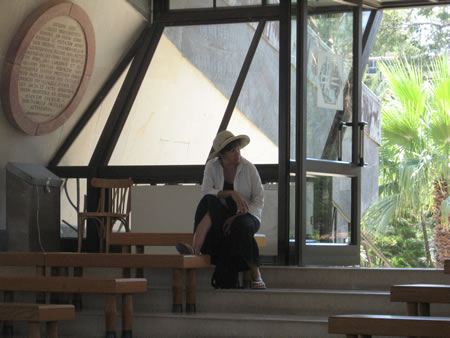
Toni sits in the church that covers Peter's house.
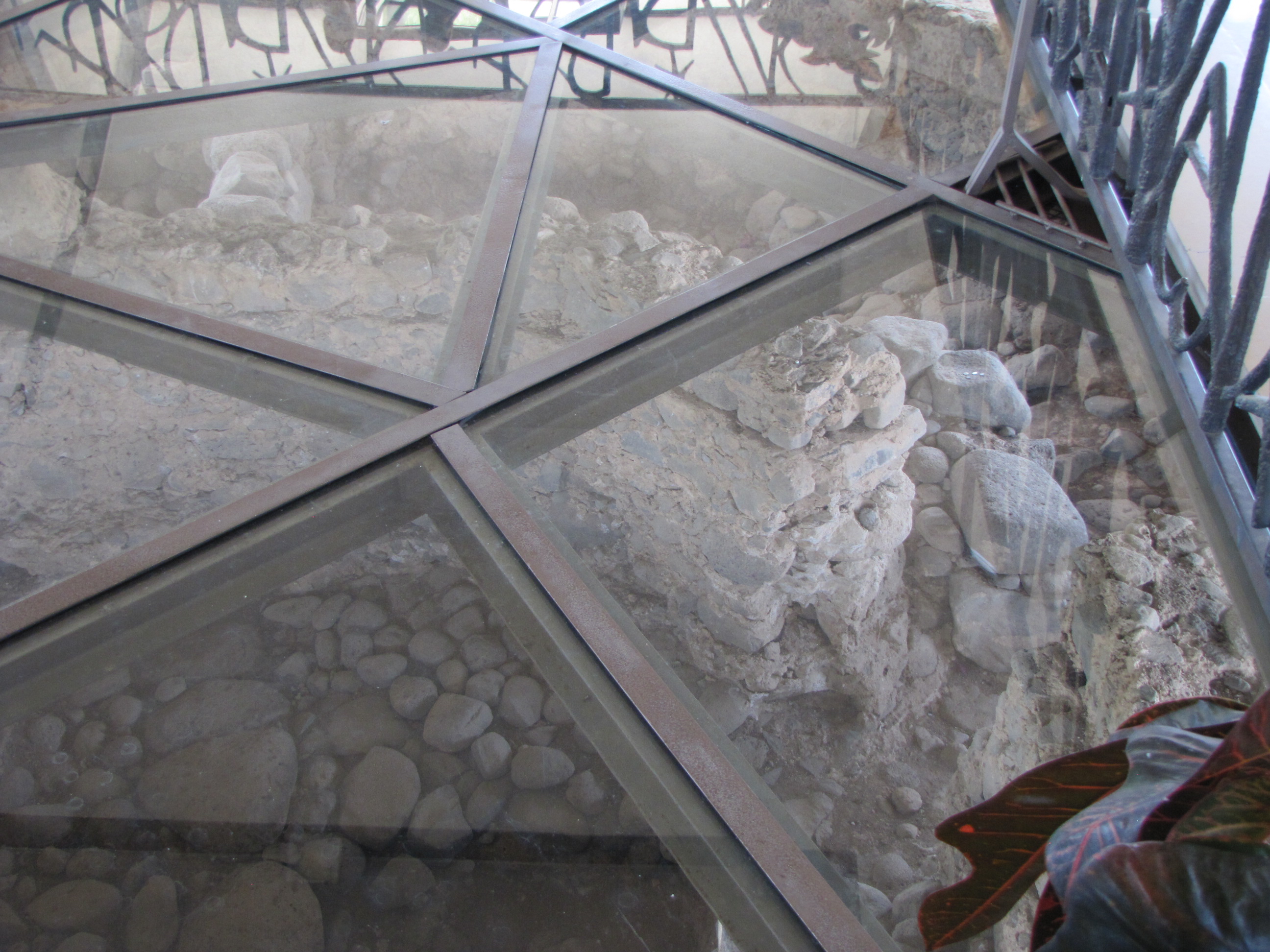
2,000 years of building churches on top of Peter's house makes it difficult to see, let alone visualize, the way it was in 30 AD.
Toni is understandably clearly not impressed.
(back to top) |
|
| |
|